Second school visit carried out in Sweden by our partner UI

Second school visit in Sweden by our partner UI
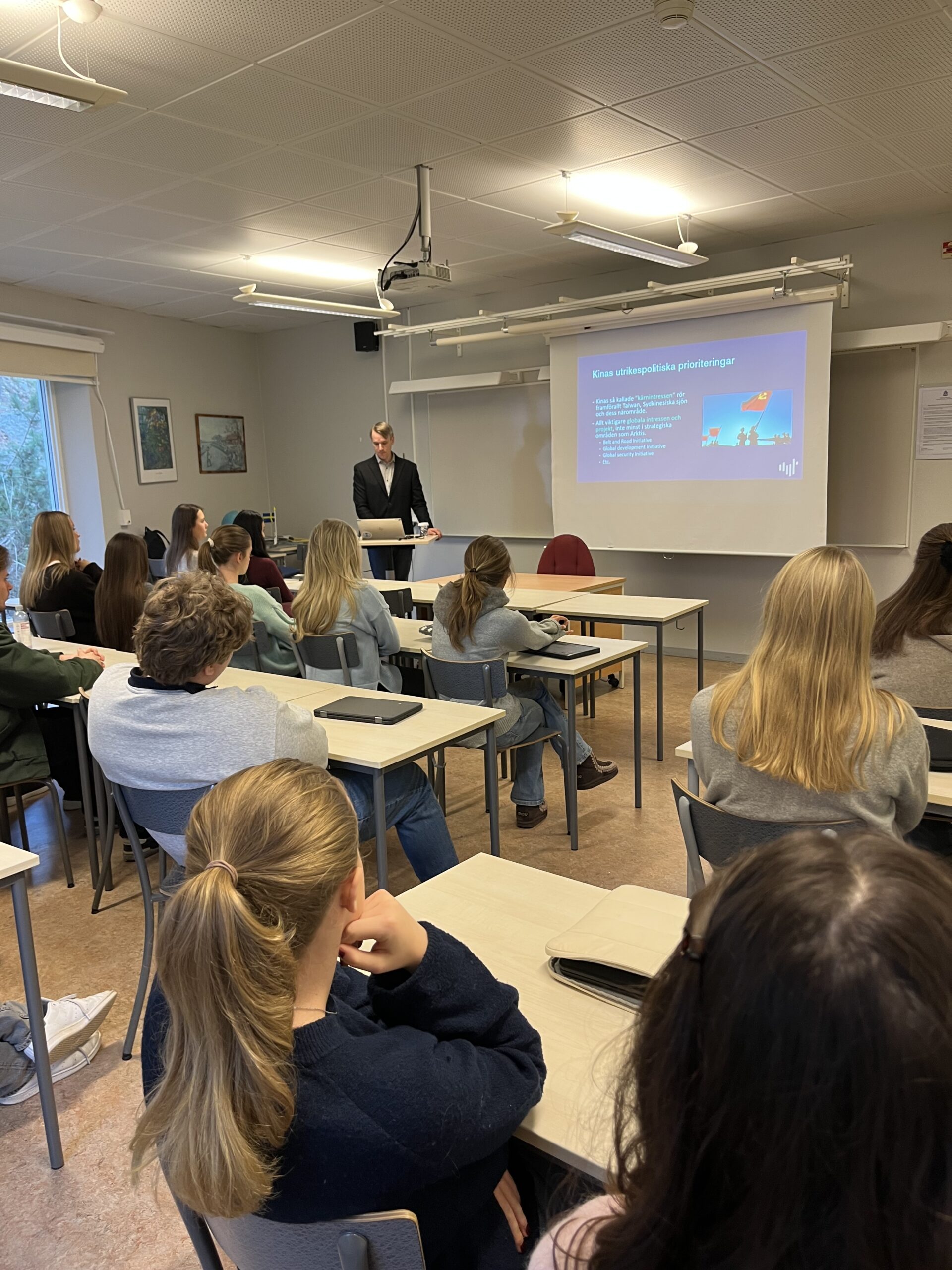
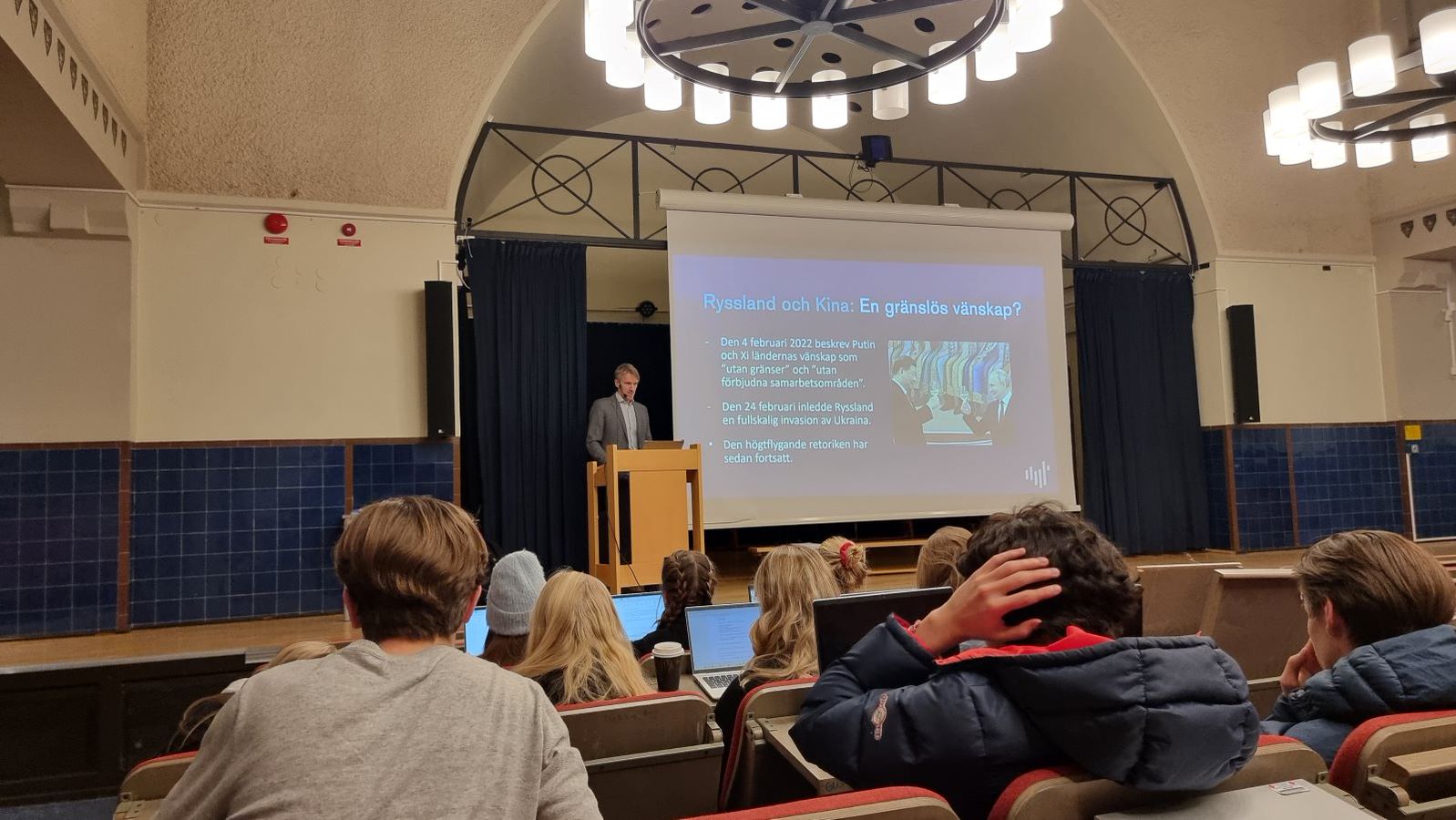
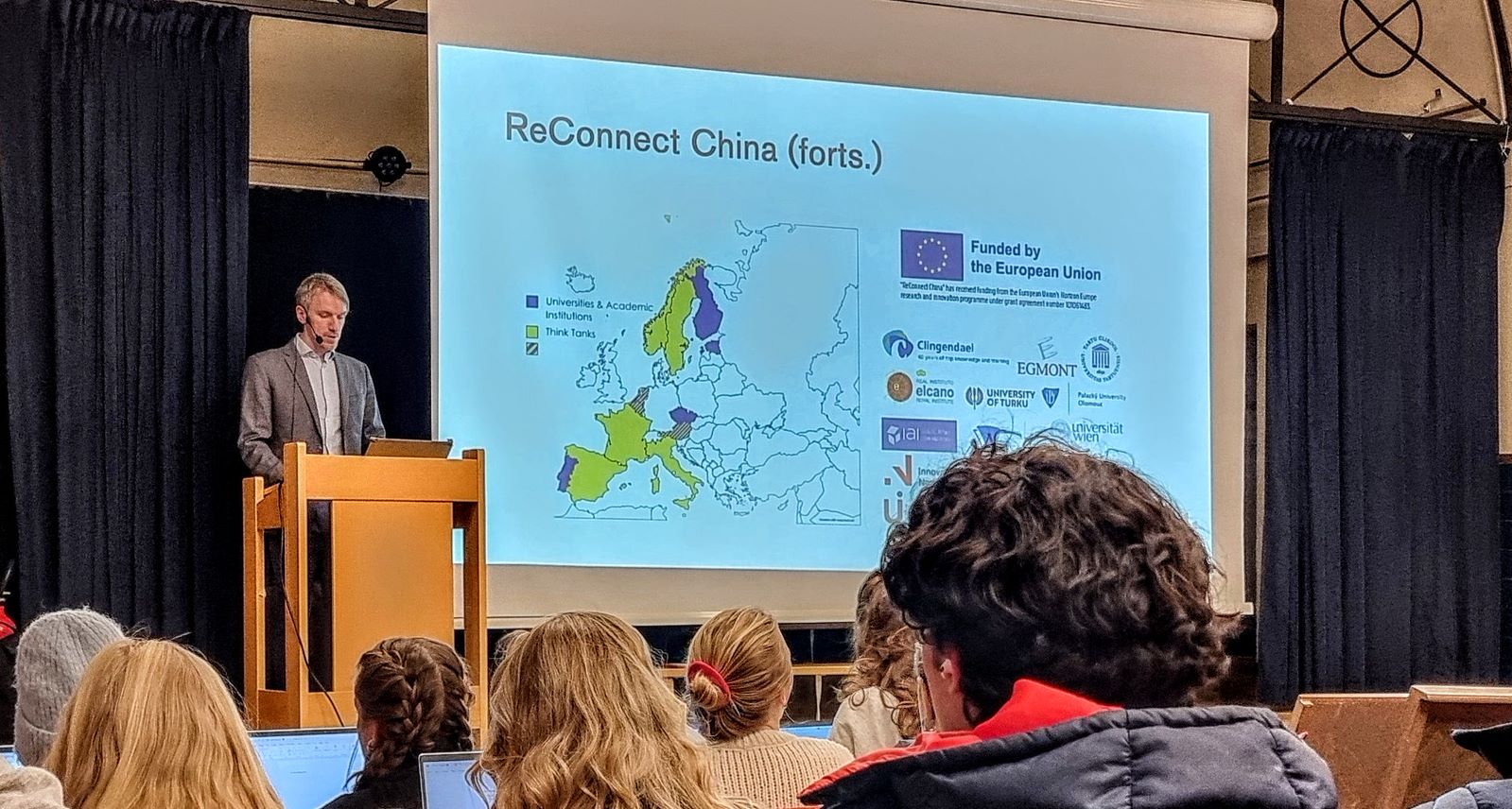
The second ReConnect China school visit in Sweden, conducted by Patrik Andersson from our partner UI, took place on November 25 in Sigtuna, north of Stockholm.
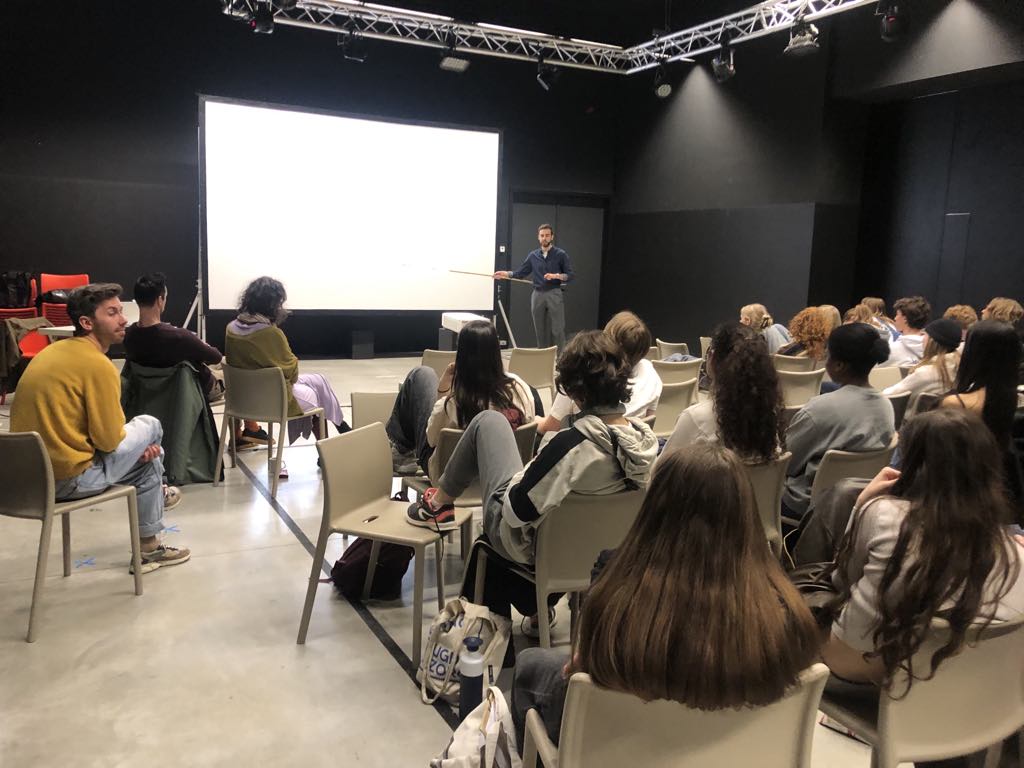
Patrik visited Sigtunaskolan Humanistiska Läroverket, where he delivered a lecture introducing China’s political and economic systems, as well as its foreign policy to around 20 students. He also presented the ReConnect China project to the students.
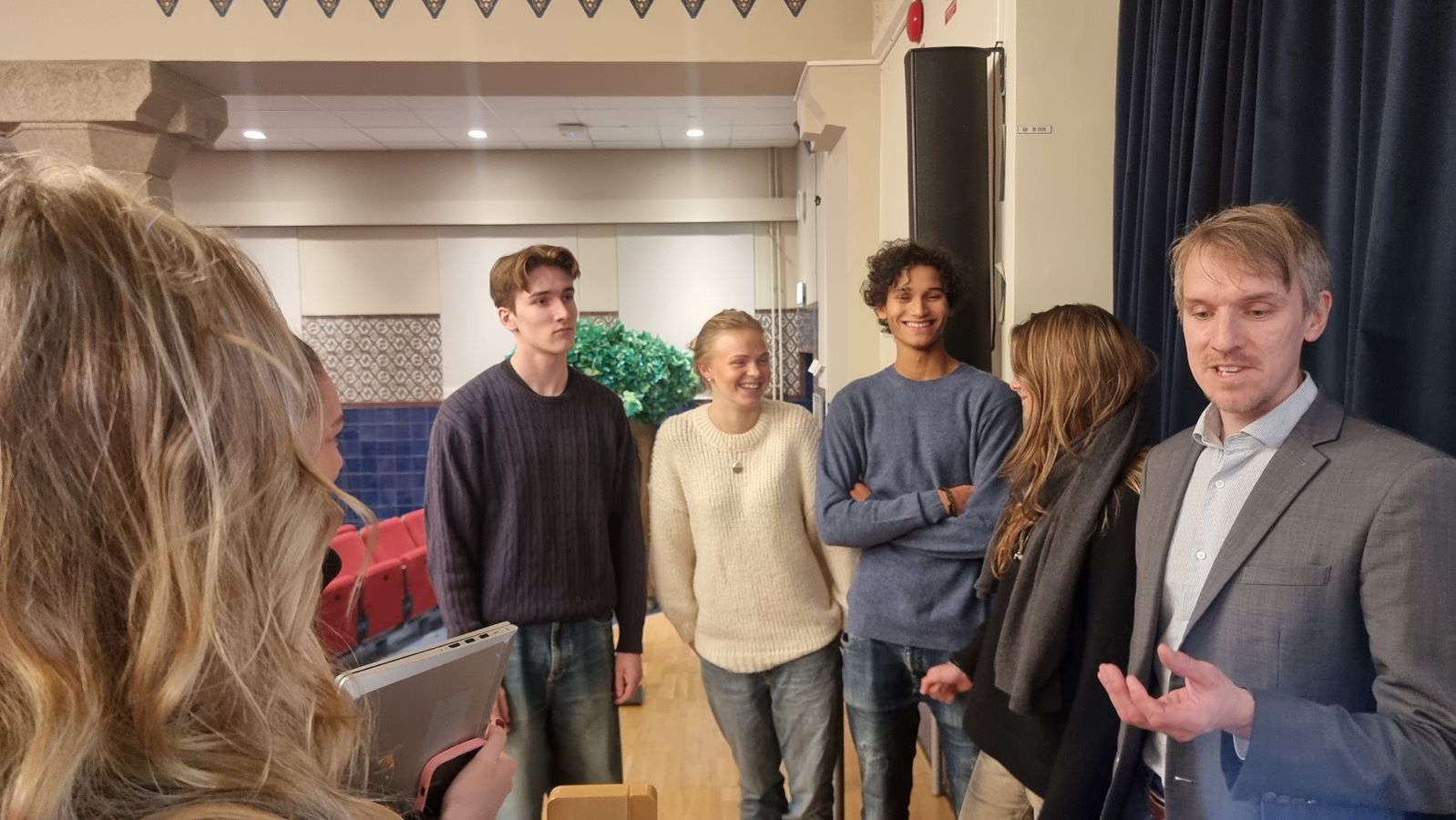
Following the lecture, Patrik engaged in Q&A session and discussions with the students.

Two more school visits done in Belgium

On 13 February 2025, a ‘ReConnect China in the schools’ event was organised at the ‘Go! Atheneum Lokeren’. This event was organised in the framework of the yearly “Studium Generale” for students of the 2nd and 3rd grade of secondary education. Our coordinator Bart Dessein discussed the history of China’s geopolitical position with a group of 30 students.

On 20 February 2025, the Pius X College of Bladel (Netherlands) participated in a ‘ReConnect China in the Schools’ event at Ghent University, in the framework of the Pius X College’s yearly event to assist the students of the 3rd grade in making a study choice for higher education. Again Bart Dessein introduced China to a group of 15 students.

First school visit in Estonia by our partner University of Tartu

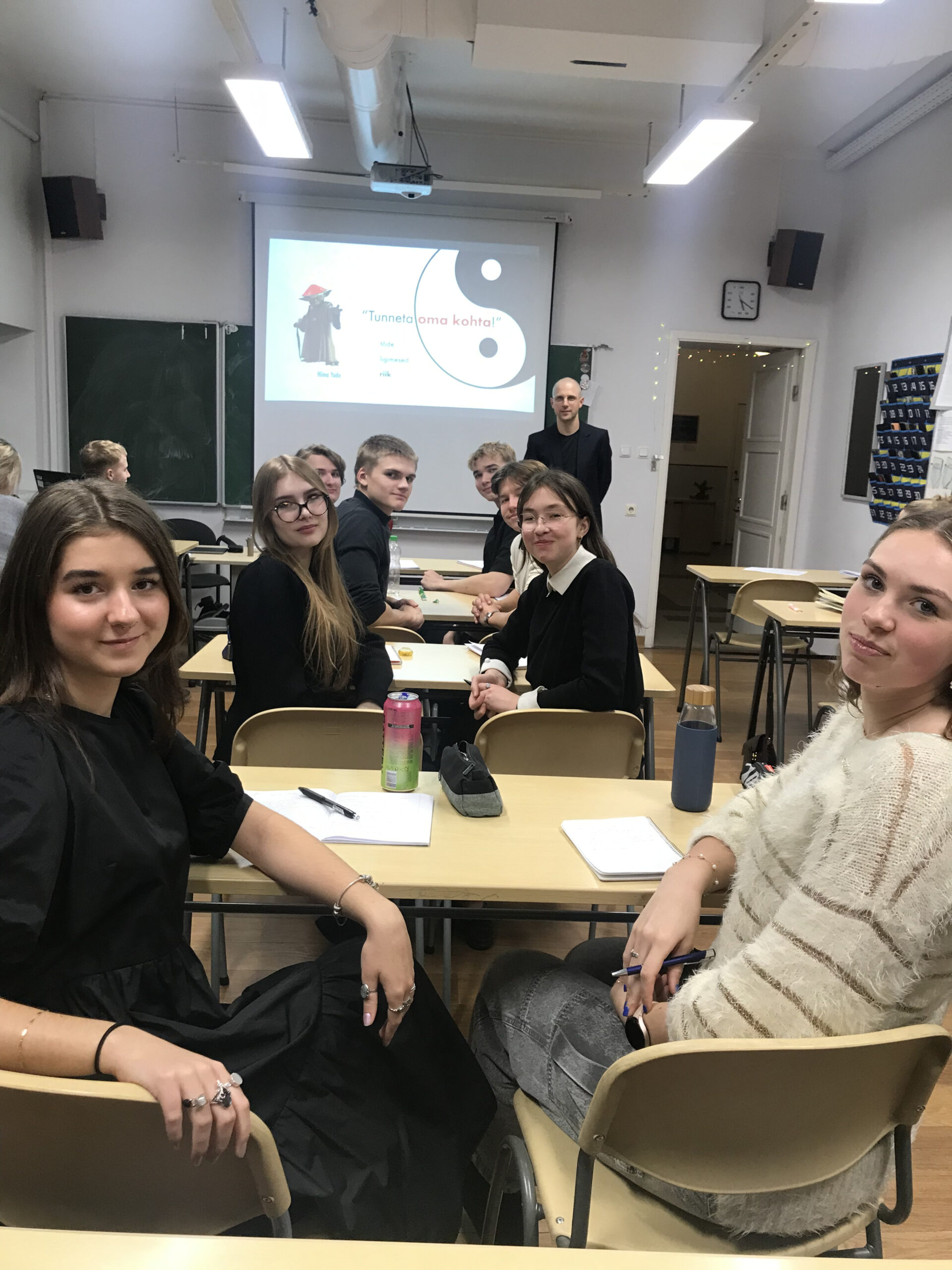
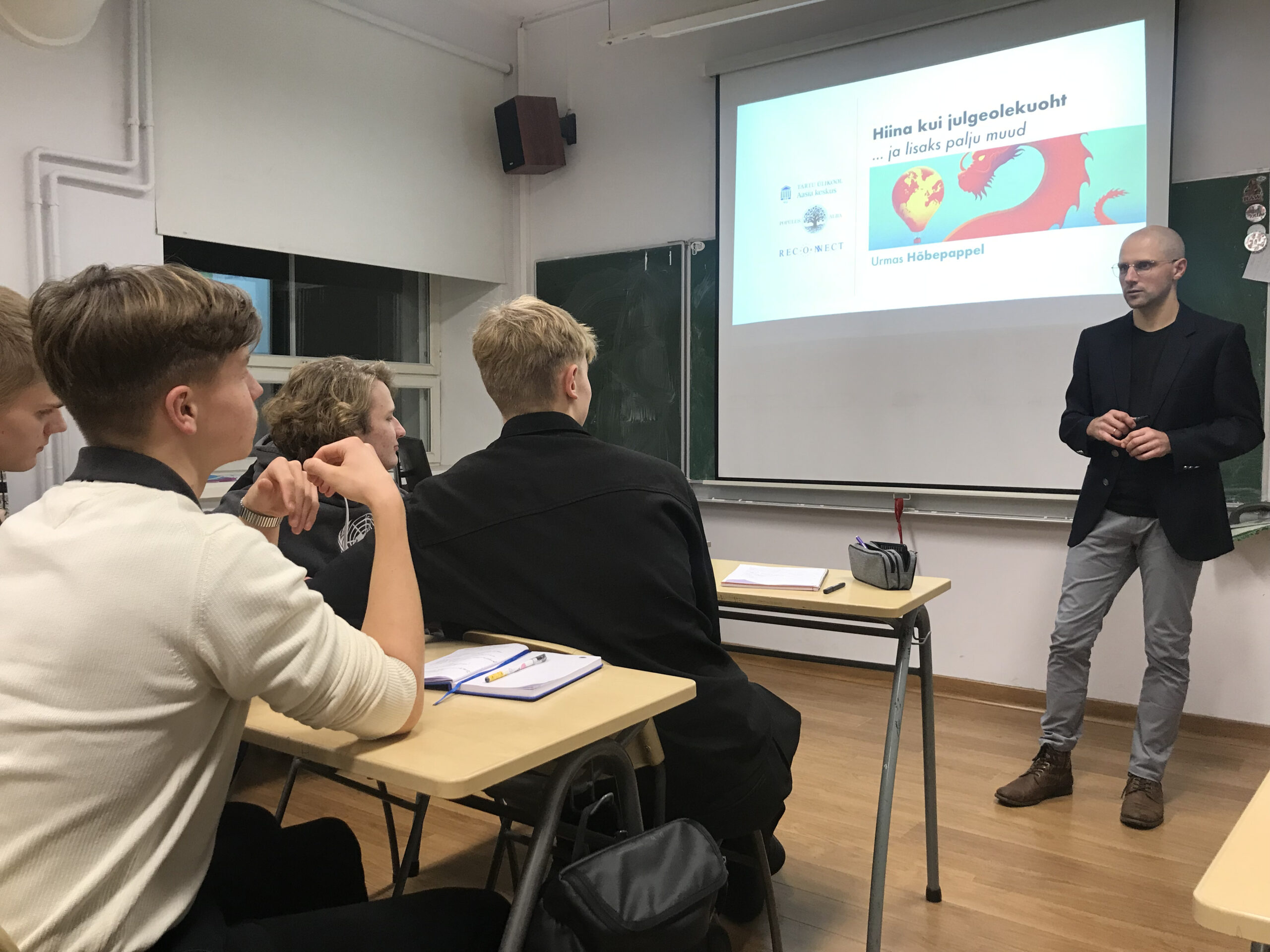
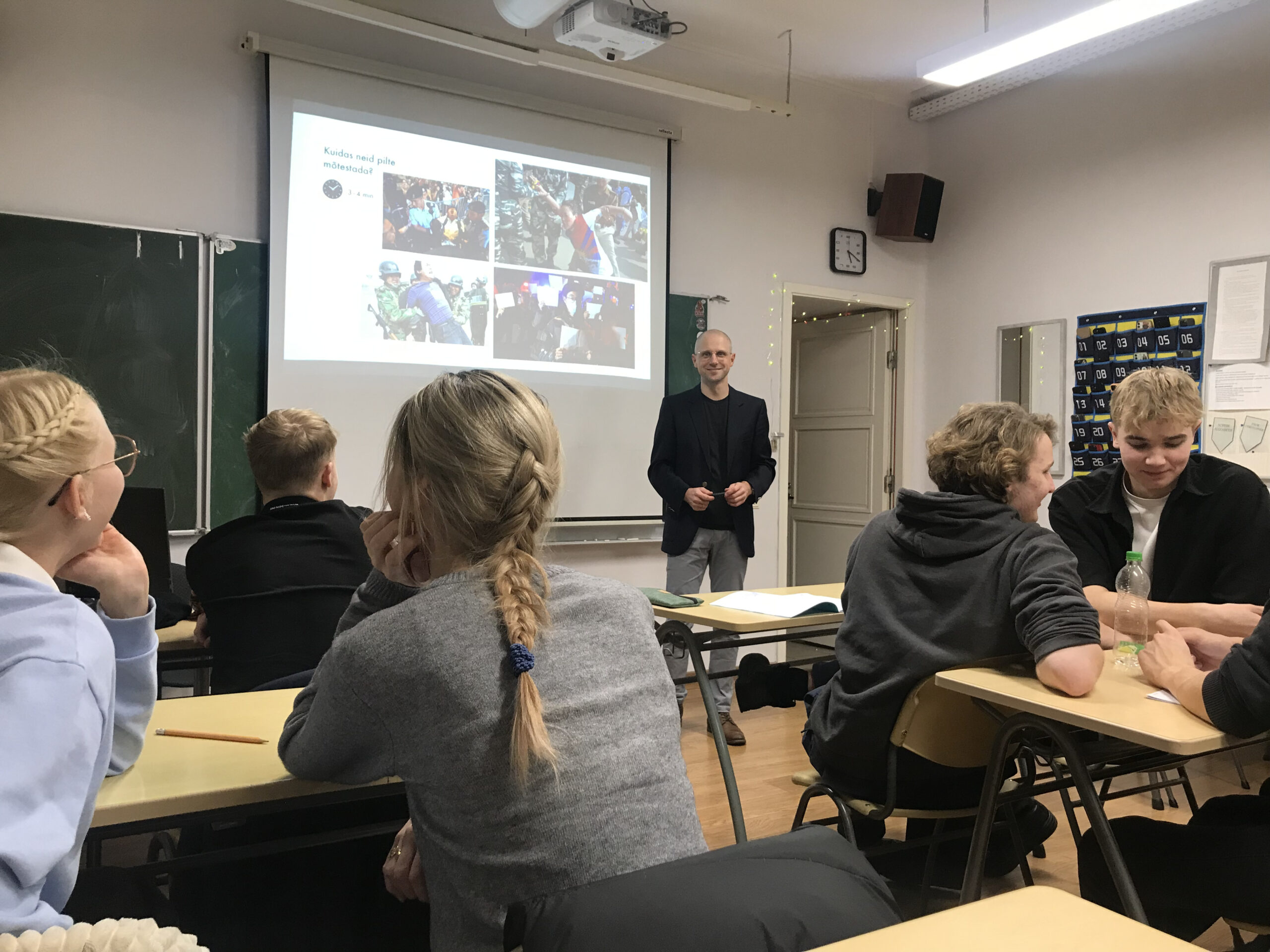
At the end of last year, ReConnect China researcher Urmas Hõbepappel of University of Tartu Asia Centre had a great opportunity to meet students from classes 11 and 12 of the Tallinn French Lyceum. The lecture was focused on China-related security concerns vis-a-vis Estonia/Europe, followed by a long Q&A session.

The students participated in an experiment where the same lecture was presented to high school students (age 17-18) and MA students (age 22-25) at the Estonian Military Academy to gauge how well the same information is understood among different levels of education. The results were measured with Slido and show that both groups had similar levels of comprehension (on scale 1-5, 67% of high school students assessed their comprehension with 4 and 33% with 5).

First school visit carried out in Sweden by our partner UI

The first of the ReConnect China school visits in Sweden, carried our by Patrik Andersson from our partner UI, took place on December 18 in Stockholm.

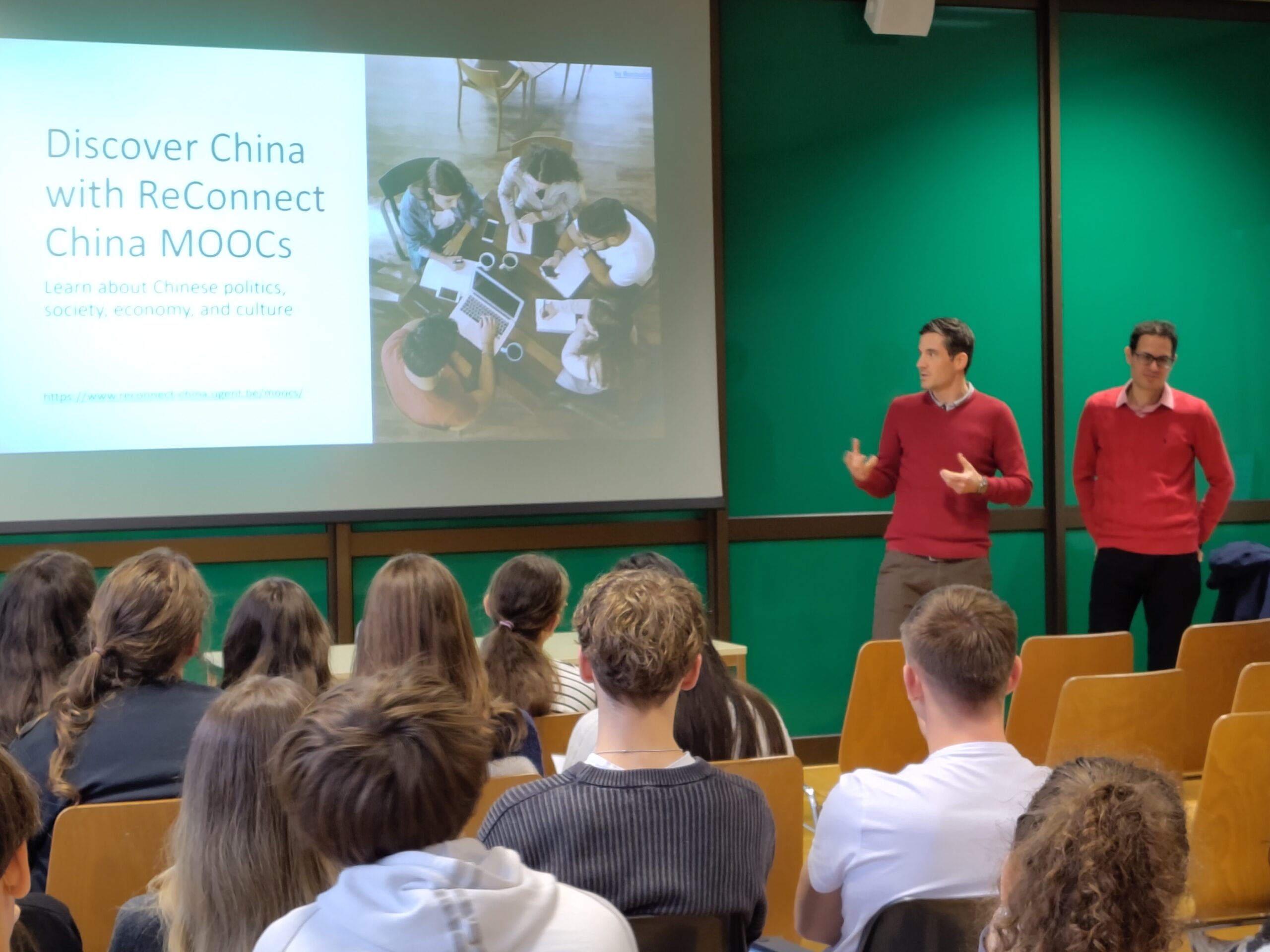
Patrik visited Östra Reals Gymnasium. During his visit, he provided a lecture introducing China’s political and economic systems, along with its foreign policy, to around 20 students from four different classes. He also introduced to the students the ReConnect China MOOCs.

Following the lecture, Patrik answered questions from several students preparing to participate in the UN role-play event organized at the school in the spring.

Second school visit in Austria by our partner ZSI

After our first school visit in Vienna in October, we went to Hartberg, a small Austrian town, on December 13 for the second round.

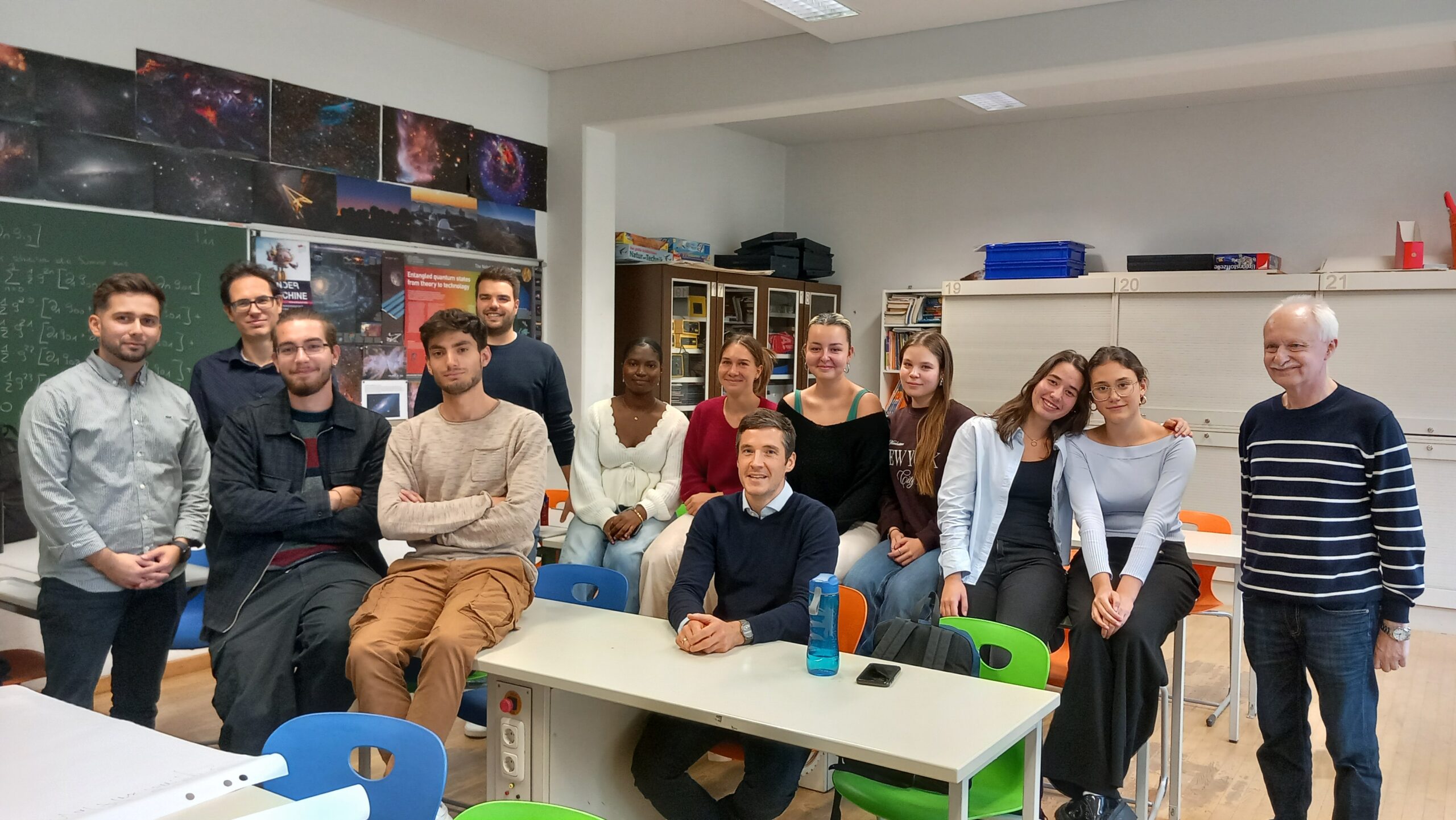
Gábor Szüdi and Philipp Brugner from ZSI had the pleasure to present the ReConnect China MOOCs and gave an introduction on China’s political and economic system to more than 30 students from classes 6A and 7A of Gymnasium Hartberg.

Gymnasium Hartberg is member of the European Parliament Ambassador School network and as such´ regularly involved in extracurricular activities related to European political education.

The Mentimeter results from this school visit can be found in this pdf.

School visit to the Artevelde School of Journalism in Ghent

On October 16, Victor De Decker, a research fellow in Geoeconomics at the Egmont Institute, delivered an lecture to bachelor students at the Artevelde School of Journalism in Ghent. The lecture focused on the rise of China as a global power, examining its growing influence in economic, political, and strategic arenas worldwide. After the lecture, students were challenged to assess China’s role and impact on various global issues, including Taiwan, the war in Ukraine, and international efforts to combat climate change. This exercise aimed to deepen their understanding of China’s role in shaping the future of global affairs.

Second school visit done: Discussing China with students in Vienna

As announced earlier on this website, ReConnect China experts are starting to get involved in school visits across Europe since September. On October 14, the second (after the March school visit by Victor De Decker in Aalst, Belgium) these school visits took place in Vienna.

Gábor Szüdi and Philipp Brugner, our team members from ZSI, visited the BORG 3 in Vienna-Landstraße, a public higher education school. This school is member of the European Parliament Ambassador School network and as such is regularly involved in extracurricular activities related to European political education.

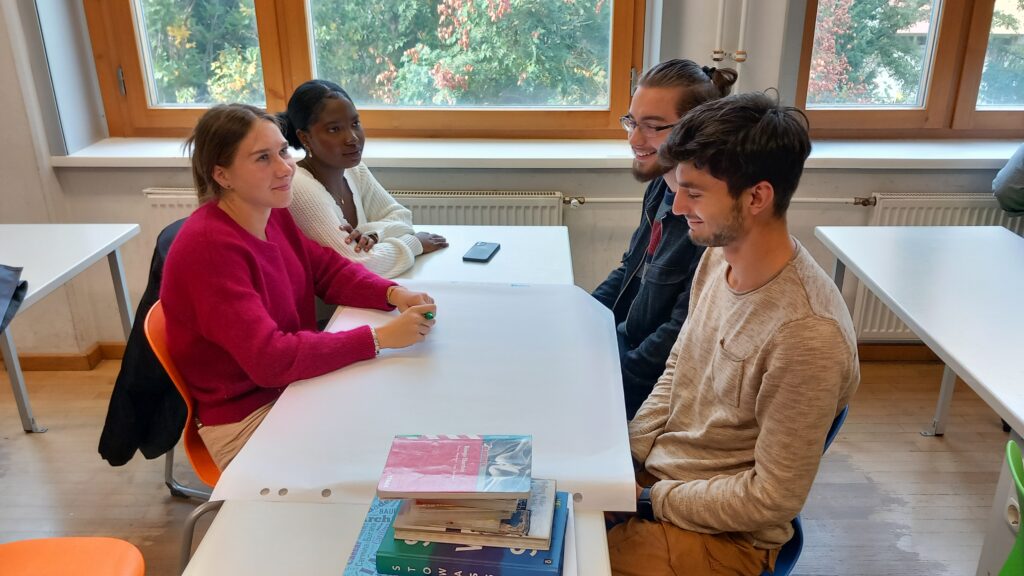
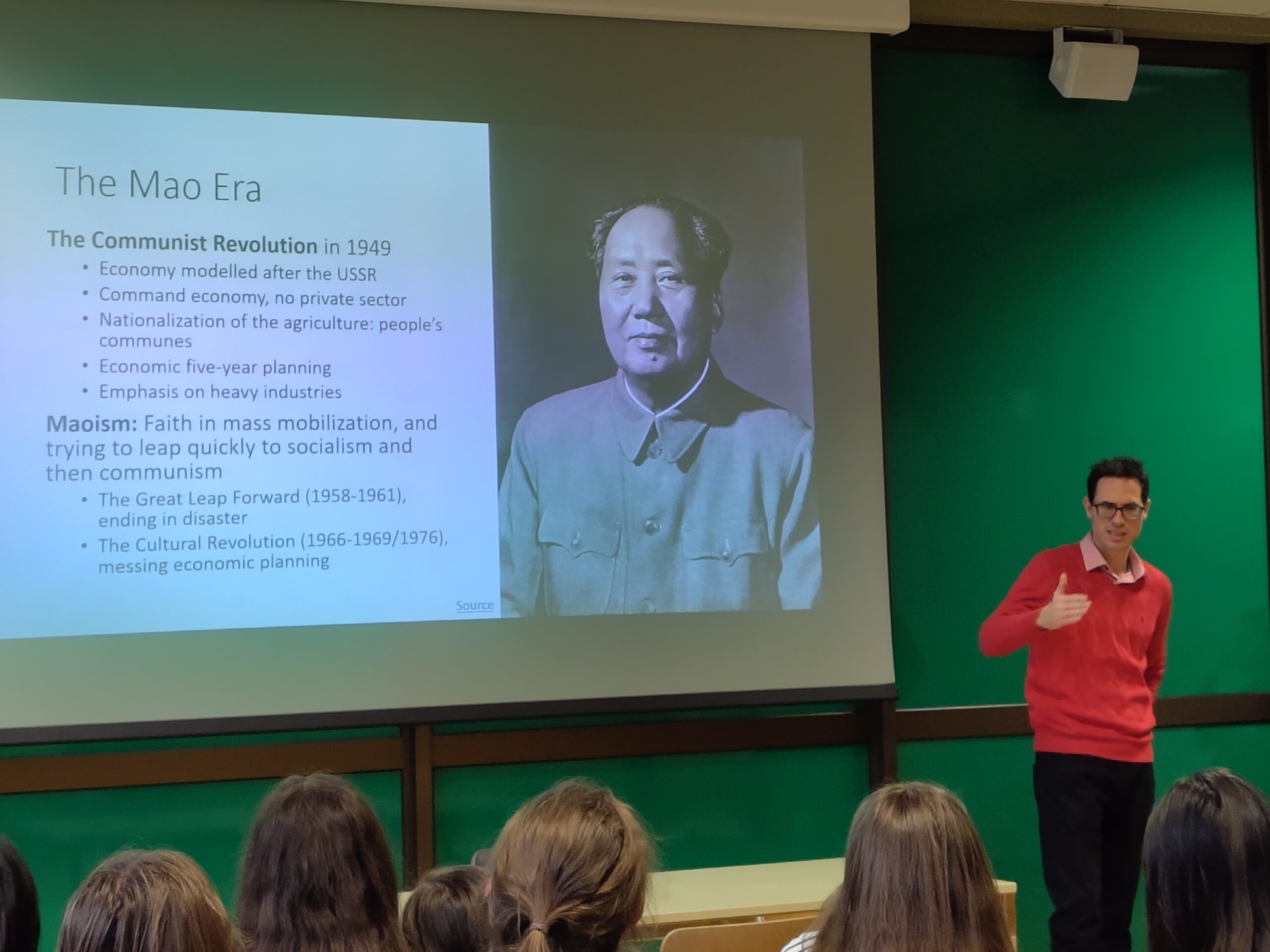
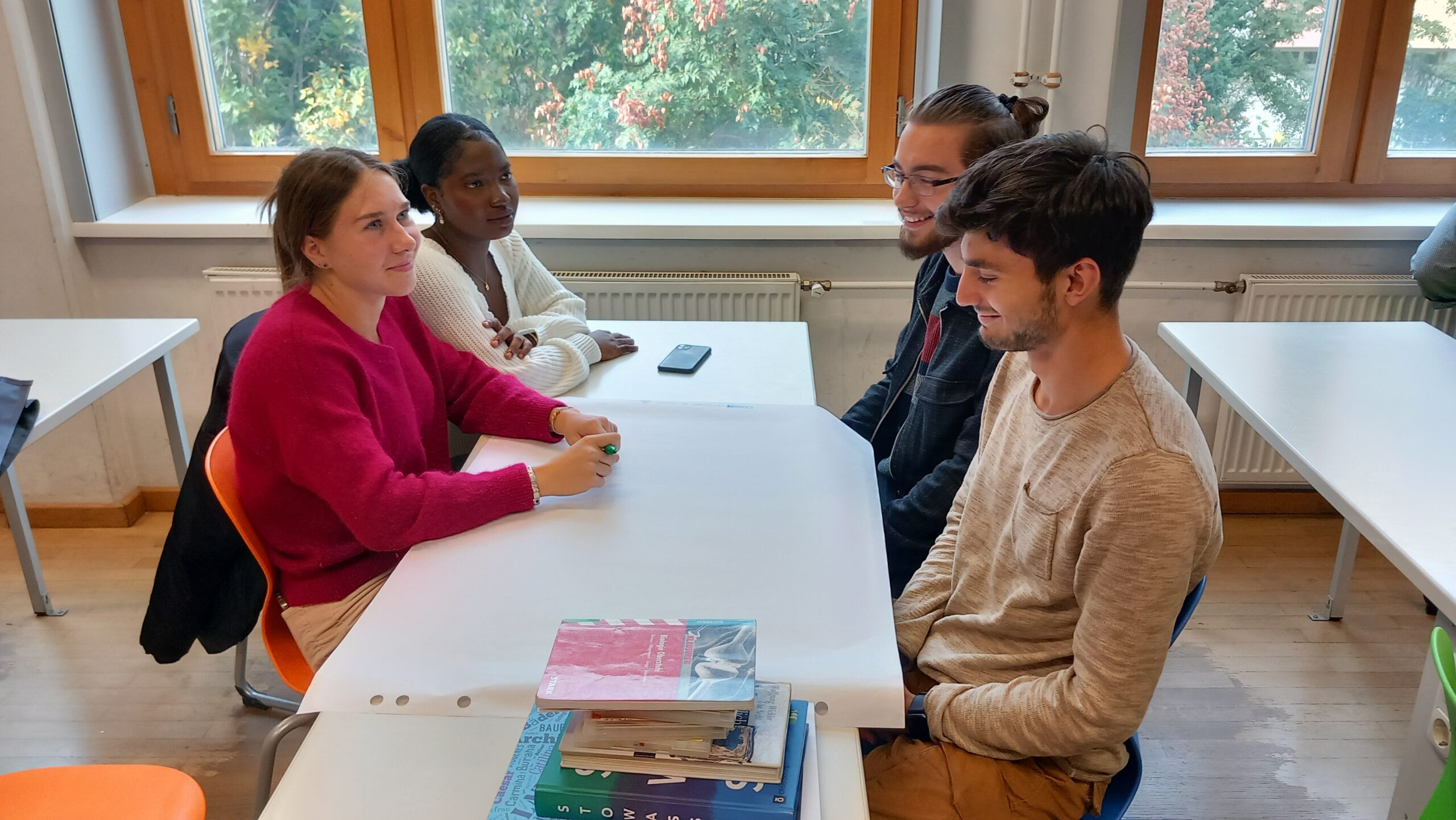
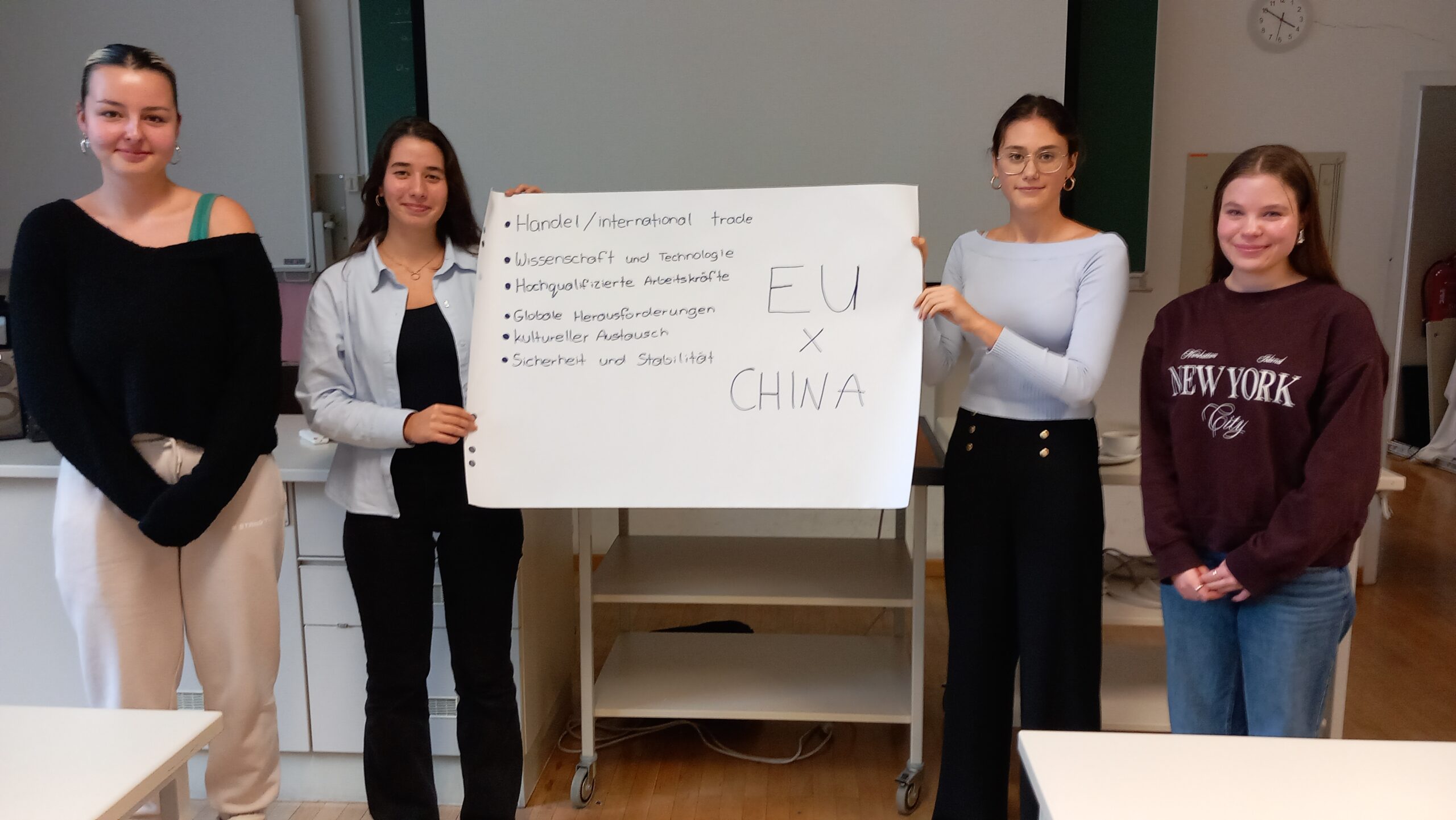
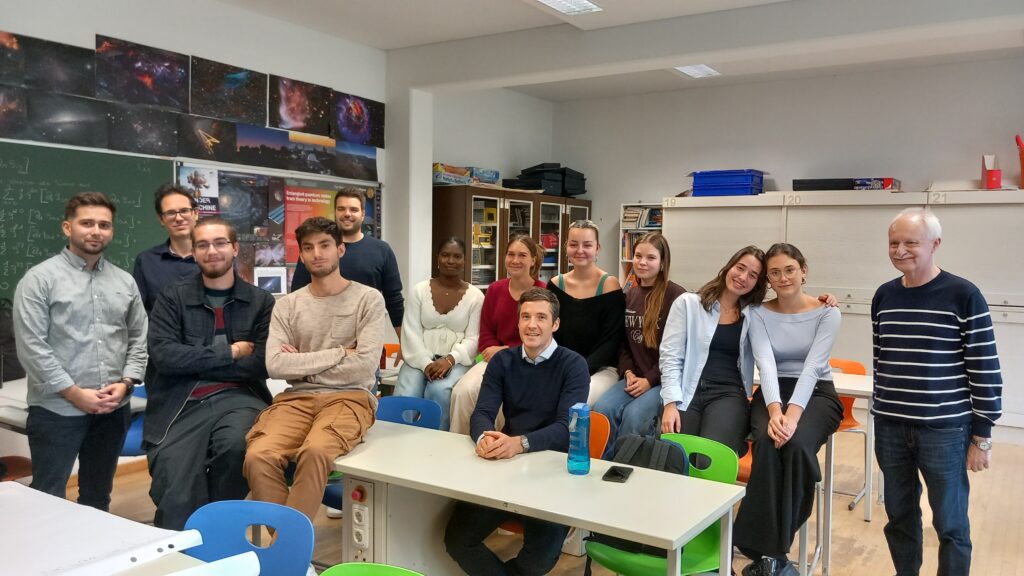
Over two hours, our experts engaged the group of eleven students in a lively discussion on China and its political and economic system in particular. They gave a presentation (its content was built on the learning materials prepared by the ReConnect China MOOCs) to quickly introduce the ReConnect China project and to outline the basics of the Chinese political (the party-state, the CCP, CCP structure, PRC central state institutions) and economic (the Mao era, the reform period – Deng Xiaoping, the Xi Jinping era, EU-China trade relations) system. With nine Mentimeter questions to provoke students having a guess about some specific facts relating to China, an interactive element with real-time results was added to spice up the presentation.

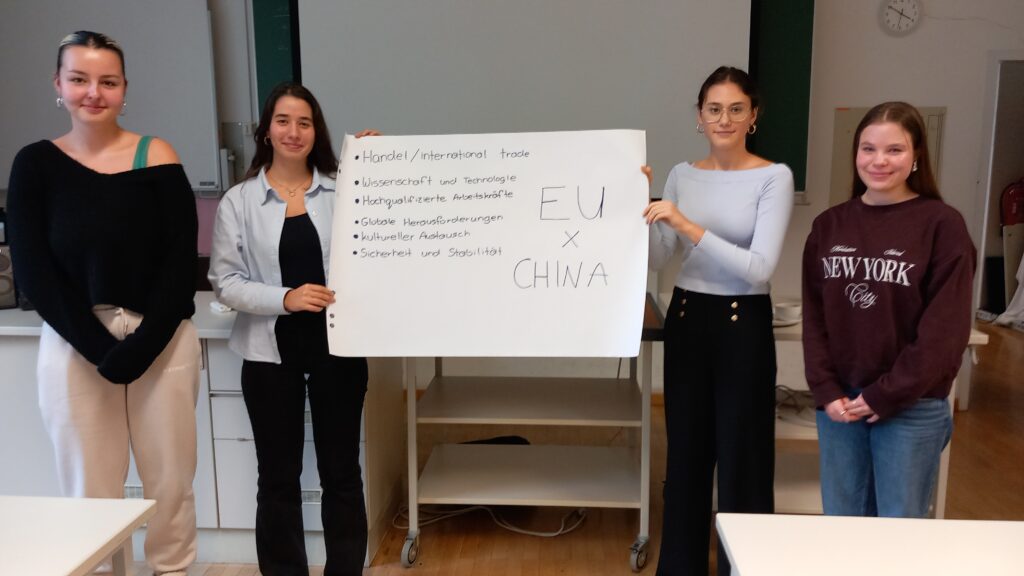
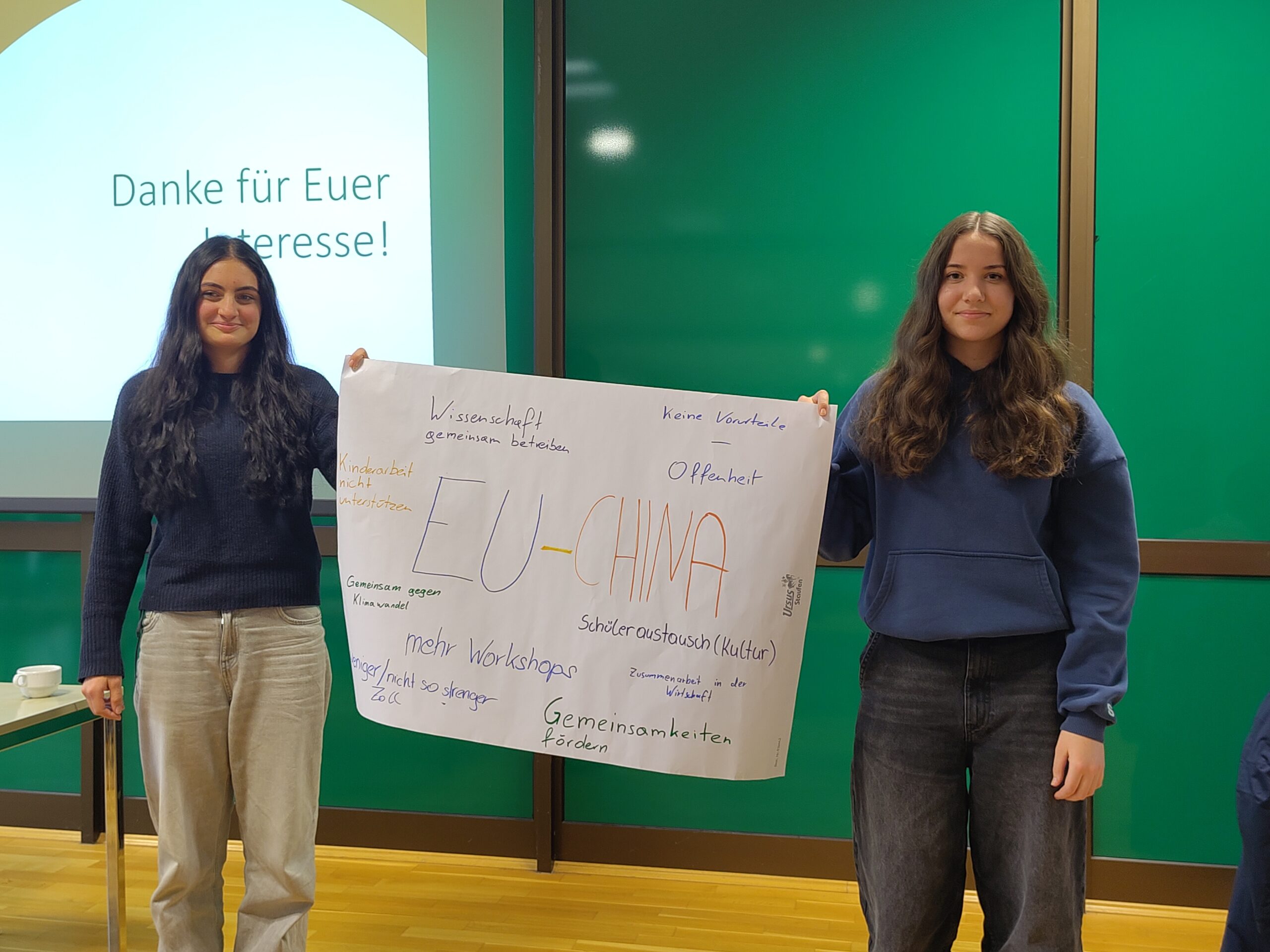
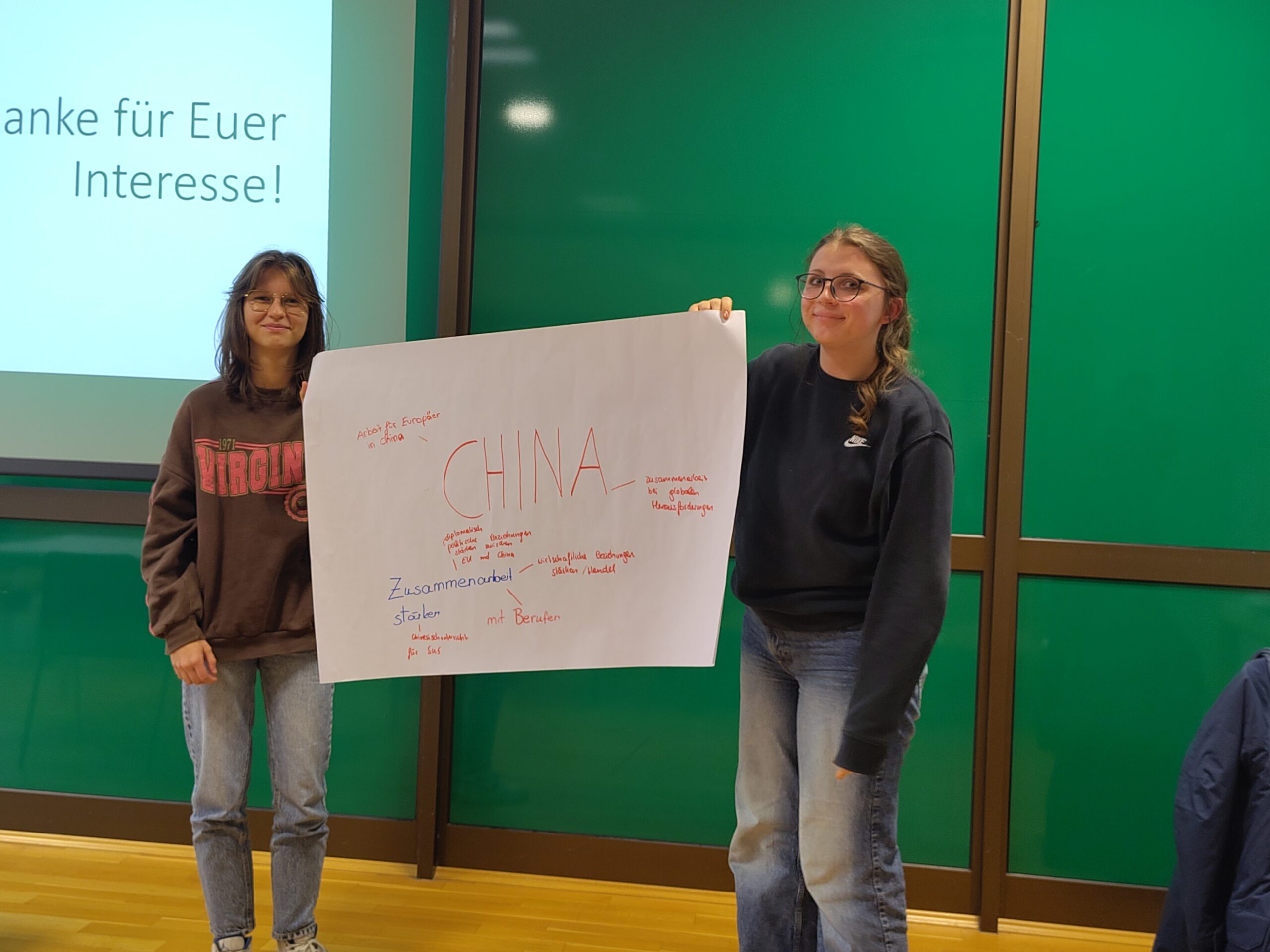
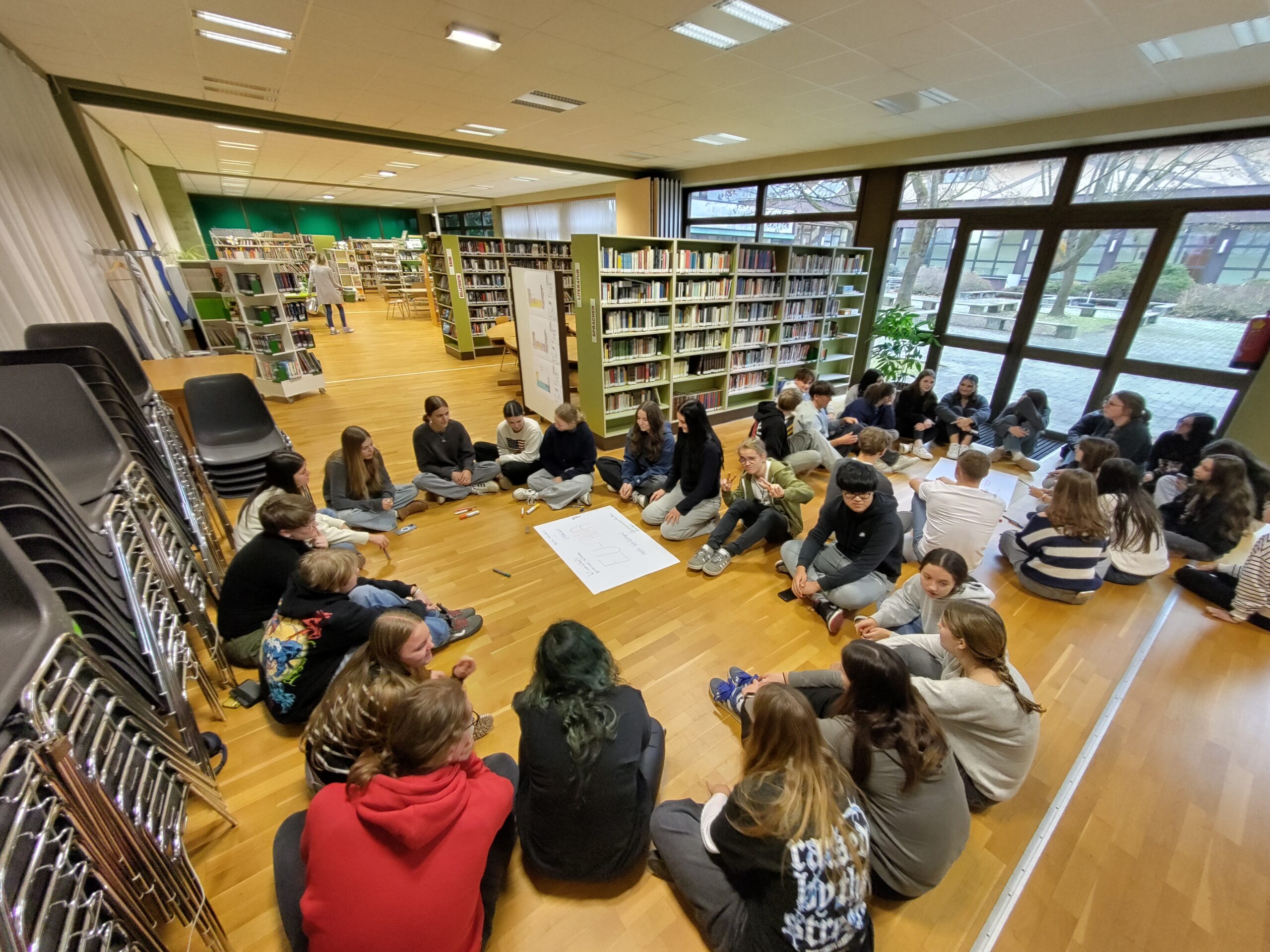
The visit concluded with a world café setting for two groups which took time to write up and visualise their thoughts, ideas and concerns regarding the future of EU-China cooperation.

From our side it was particularly interesting to present our work to a young and non-expert audience, requiring to choose a comprehensible language for a complex topic.

The results of the Mentimeter questions can be found in Vienna school visit_Mentimeter results
 

Start of ReConnect China school visits in September

During the project’s first review meeting with independent experts in January 2024 in Brussels, the project consortium was recommended to intensify its engagement with youth as one of the project’s key target groups. As a result from follow-up discussions within the team, we are happy to announce a new project activity – “The ReConnect China school visits”!

In the coming months (and continuing in 2025), various project partners will visit secondary schools in their home countries to present the project and – more importantly – to raise the interest of these young learners about China as a fascinating country.

How does it work? ReConnect China experts visit schools, come to a class and engage students in interactive lectures. Different aspects such as China’s society, economy or politics are presented to the young cohort in a suitable format and in a non-scientific language. At the same time, our experts will be closely collaborating with the teachers for the design, content and questions to be discussed with the class. Visits will last for about 45-60mins. The targeted age level of students is between 15-18 years, but our experts are flexible to adapt their visit’s programme also to younger individuals upon request.

Currently the project plans to organise its first school visit in September. Concrete names of potential schools have already been suggested within the team, with whom the respective partners are now getting into contact.

If you are interested to be visited by the ReConnect China project, just get in touch with us. Please write to Mr. Philipp Brugner (brugner[at]zsi.at) and Mr. Gábor Szüdi (szudi[at]zsi.at). We would be delighted to discuss a visit with you!

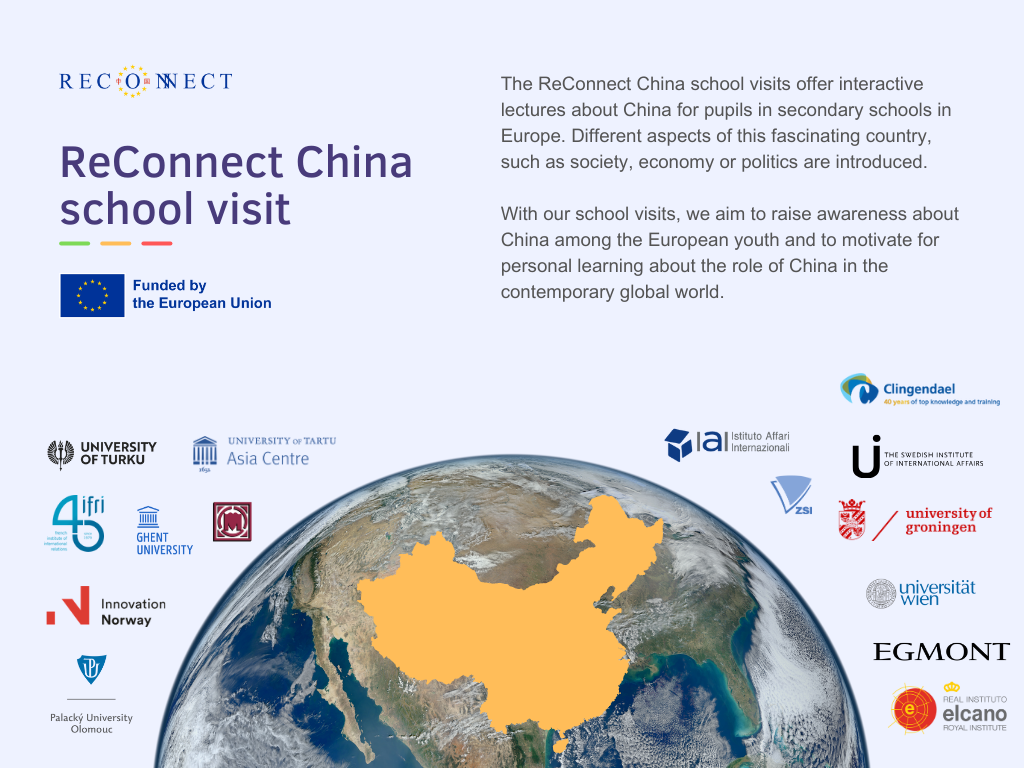
Official ReConnect China School visit advertisement.


First ReConnect China school visit in Aalst, Belgium

In March 2024, Victor De Decker, a research fellow in Geoeconomics at the Egmont Institute, delivered a lecture to students (age 16-17) at the Art School in Aalst. The lecture focused on geoeconomic competition between the United States, China, and the European Union, with a particular emphasis on the concept of global value chains. Using the example of the design and manufacturing process of an Apple iPhone, Victor De Decker explained how complex value chains connect different countries and regions. Following the lecture, students were tasked with investigating the value chains of everyday consumer goods, exploring how China is integrated into these processes and what the broader consequences of such integration might be.