‘Rebalancing EU-China relations in an age of global turmoil’ conference held in the Hague

ReConnect China Conference: Rebalancing EU-China relations in an age of global turmoil

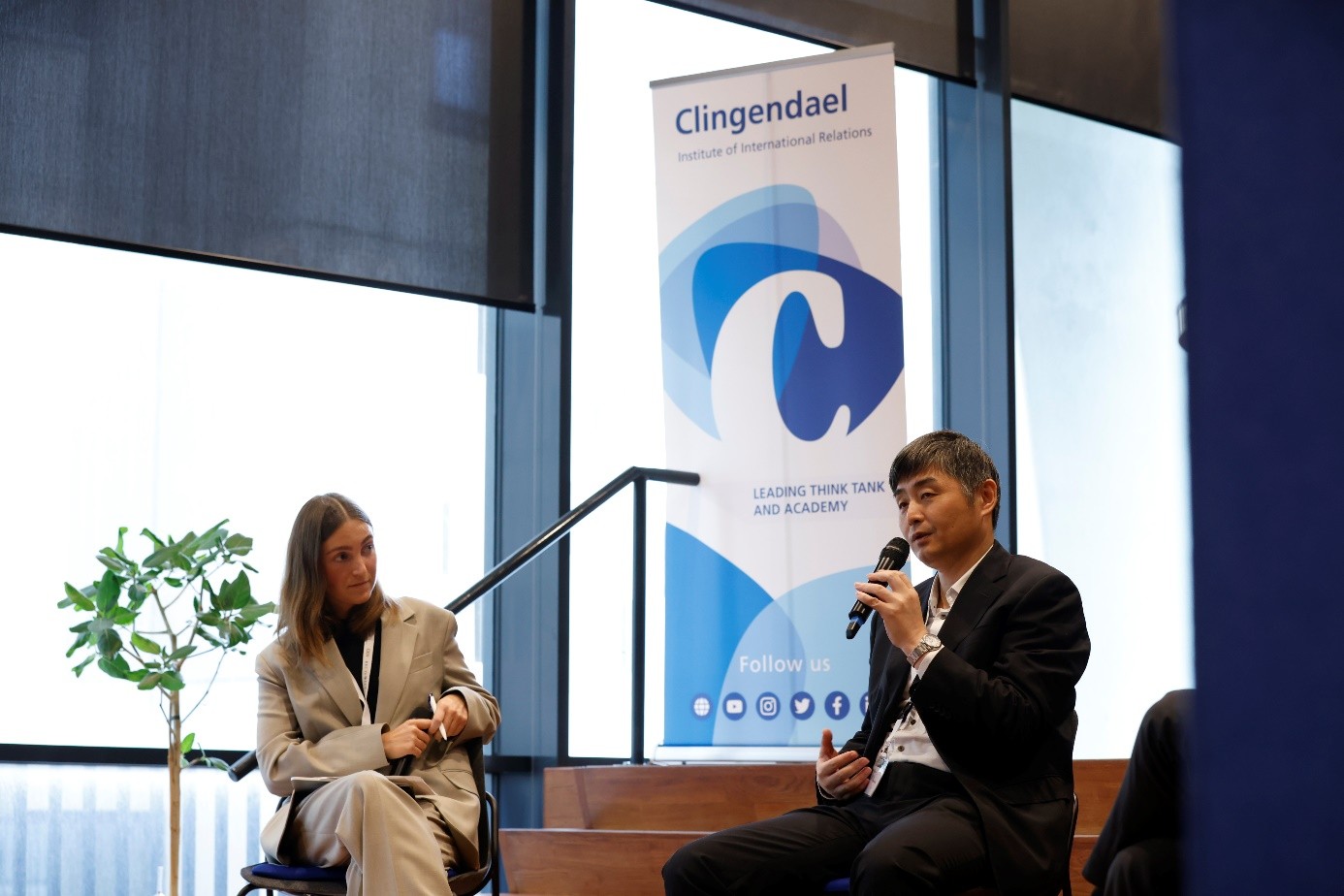
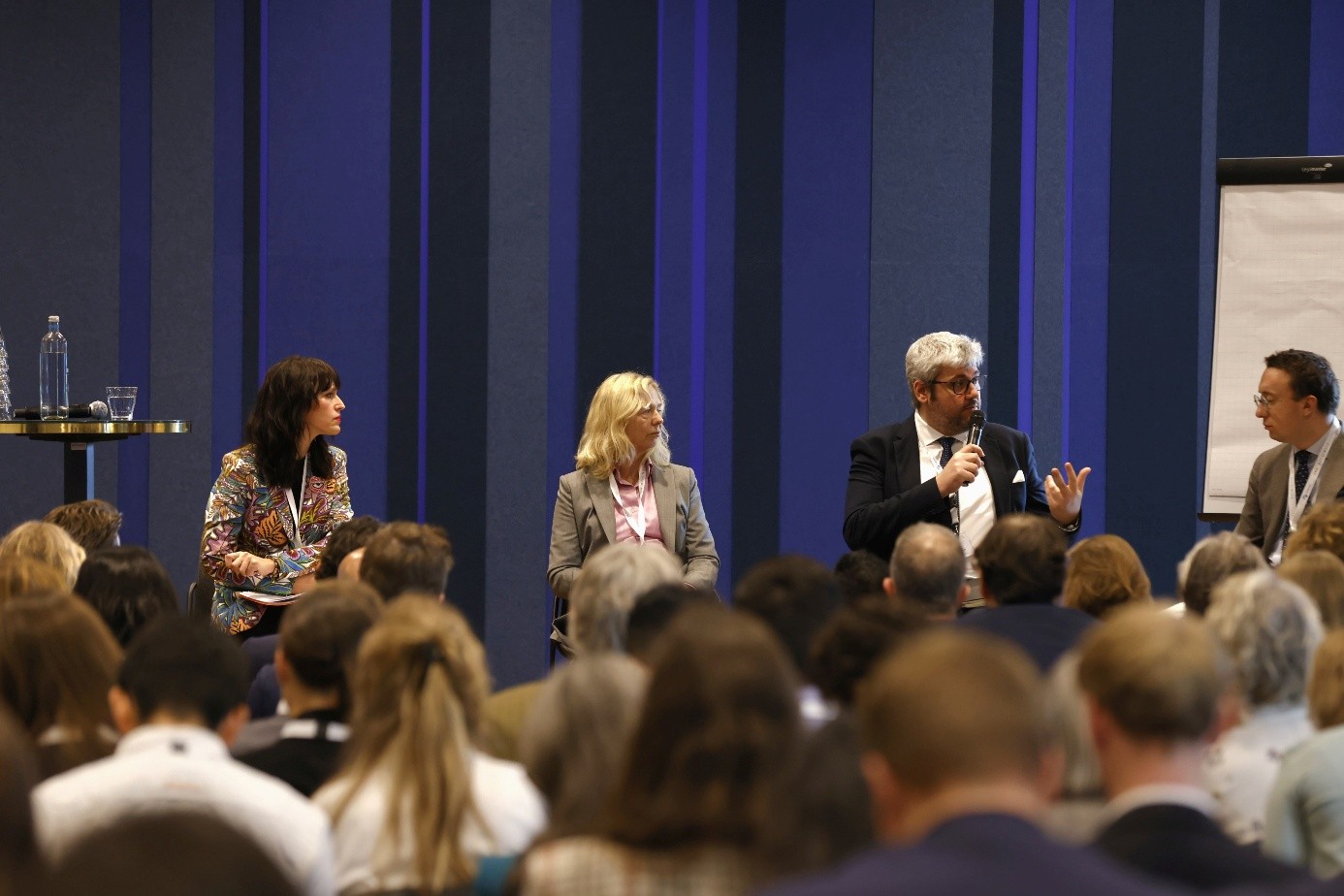
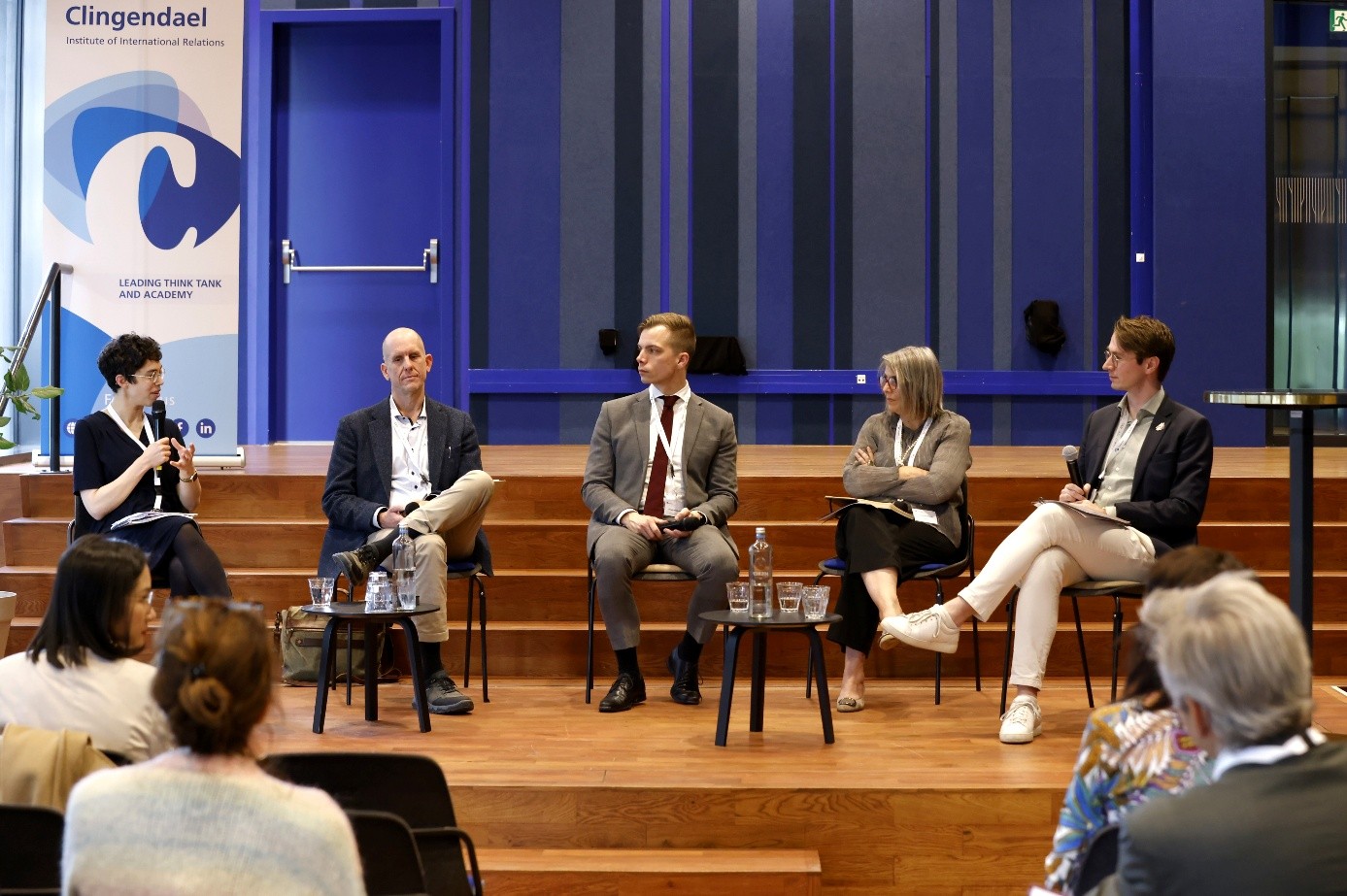
On 9 October, the Clingendael Institute hosted the ReConnect China Conference in The Hague, titled ‘Rebalancing EU-China relations in an age of global turmoil’. The conference brought together more than 190 leading experts, policymakers and analysts to explore the future of Europe–China relations.

Panel discussions addressed themes such as rebalancing EU–China relations in an age of global turmoil, EU–China narratives, the green transition and clean tech, doing China research, and an interactive policy-scenario workshop. The Dutch China Knowledge Network also moderated a dedicated session on strengthening Europe’s China expertise.
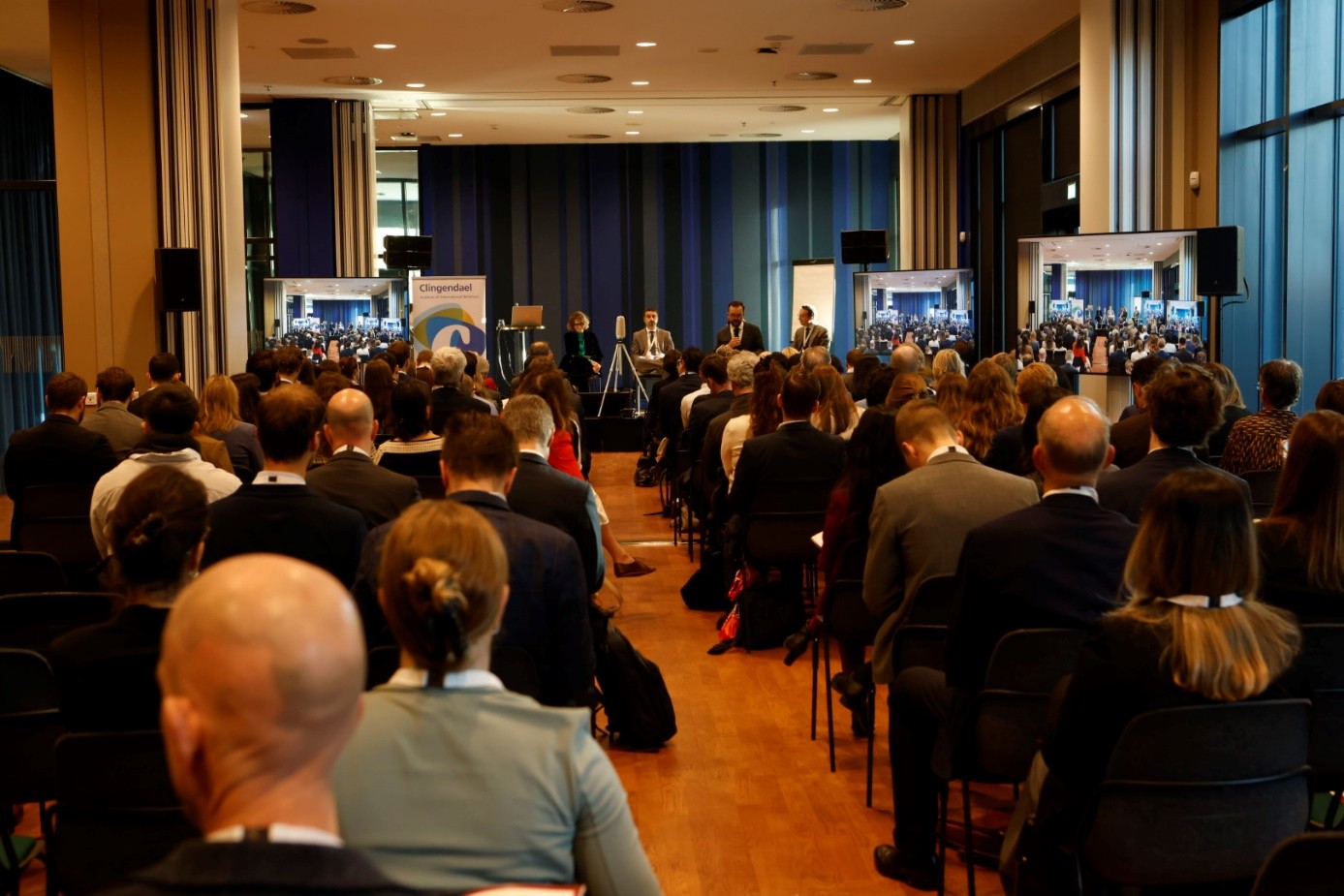
The conference featured prominent speakers including Jorge Toledo, EU Ambassador to China; Joanna Szychowska, DG Trade European Commission, Dominic Porter, EEAS; Noah Barkin, Rhodium Group; Elena Suarez, Business Europe; Raoul Bunskoek, Clingendael Institute, Manya Koetse, What’s on Weibo; Miriam Tardell, Swedish National China Centre; and Finbarr Bermingham, South China Morning Post.
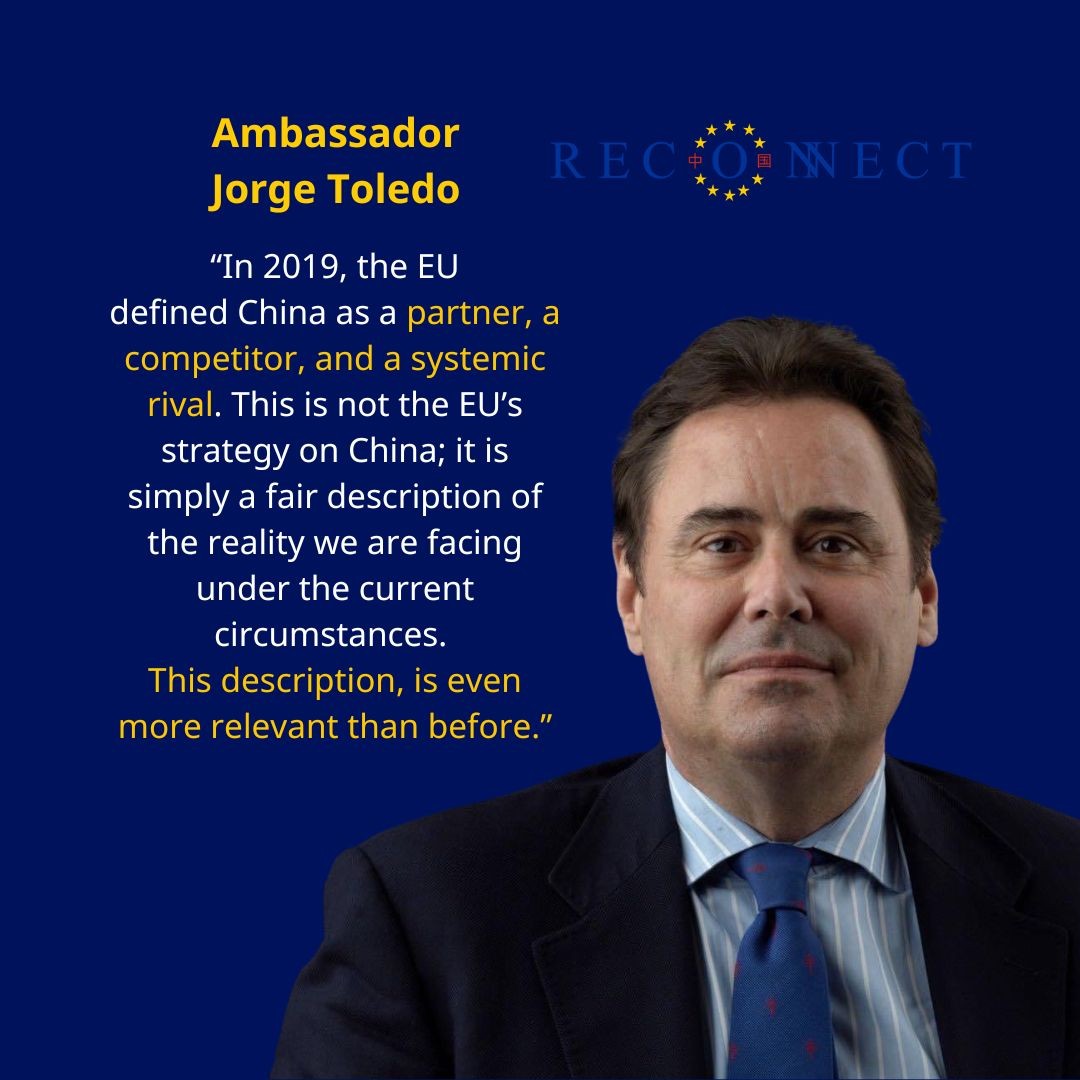
Source: EEAS


To check the livestream, see: https://www.youtube.com/watch?v=FUbLfcyNCgg

To find the full programme, see below and the following link: https://www.clingendael.org/event/reconnect-china-conference-2025


More about the conference:

In today’s shifting geopolitical landscape, the relationship between the European Union and China is marked by complexity and constant evolution. As the EU navigates its position on the global stage, a fundamental question arises: how should it engage with China? Should the EU update its three-part strategy of viewing China as a partner, a competitor, and systemic rival?

Amid accelerating global change, it is essential for the EU to recalibrate its external relations. This year marks the 50th anniversary of diplomatic EU-China relations. As Von der Leyen stated in Davos 2025, “It is time to pursue a more balanced relationship with China”. What does this new balance mean for Europe, and how should we achieve it?

To explore these questions further, the Clingendael Institute organised the ReConnect China Conference 2025: Rebalancing EU-China Relations in an Age of Global Turmoil in collaboration with the ReConnect China consortium.


Programme

The plenary sessions was livestreamed on YouTube. The parallel sessions are closed.

09:00 – 09:15 | Welcome

09:15 – 10:30 | Introductory Panel ‘Rebalancing EU-China relations in an age of global turmoil’

  • Jorge Toledo, Ambassador European Union in China
  • Joanna Szychowska, Director, Asia (I), Services and Digital Trade, Investment and Intellectual Property, DG Trade European Commission
  • Elena Suarez, Senior Advisor BusinessEurope
  • Mario Esteban, Senior Fellow, Elcano Royal Institute
  • Moderator – Ties Dams, Senior Research Fellow, Clingendael Institute
10:30 – 10:45 | Coffee and tea break


10:45 – 12:15 | Breakout Sessions (NO LIVESTREAM)

Subpanel 1: China EU narratives (Past, Present and Future)

  • Ties Dams, Senior Research Fellow, Clingendael Institute
  • Ingrid D’Hooghe, Senior Research Fellow, Clingendael Institute
  • Aurelio Insisa, Senior Research Fellow, Istituto Affari Internazionali (IAI)
  • Manya Koetse, Founder & Editor, What’s on Weibo

Subpanel 2: Clean Tech and the Energy Transition

  • Chen Gang, Senior Research Fellow, National University of Singapore
  • John Seaman, Research Fellow, IFRI
  • Hannah Lentschig, Research Fellow, Clingendael Institute
  • Han ten Broeke, Chief of Staff, Cabinet of EU Commissioner Hoekstra
12:15 – 13:15 | Lunch


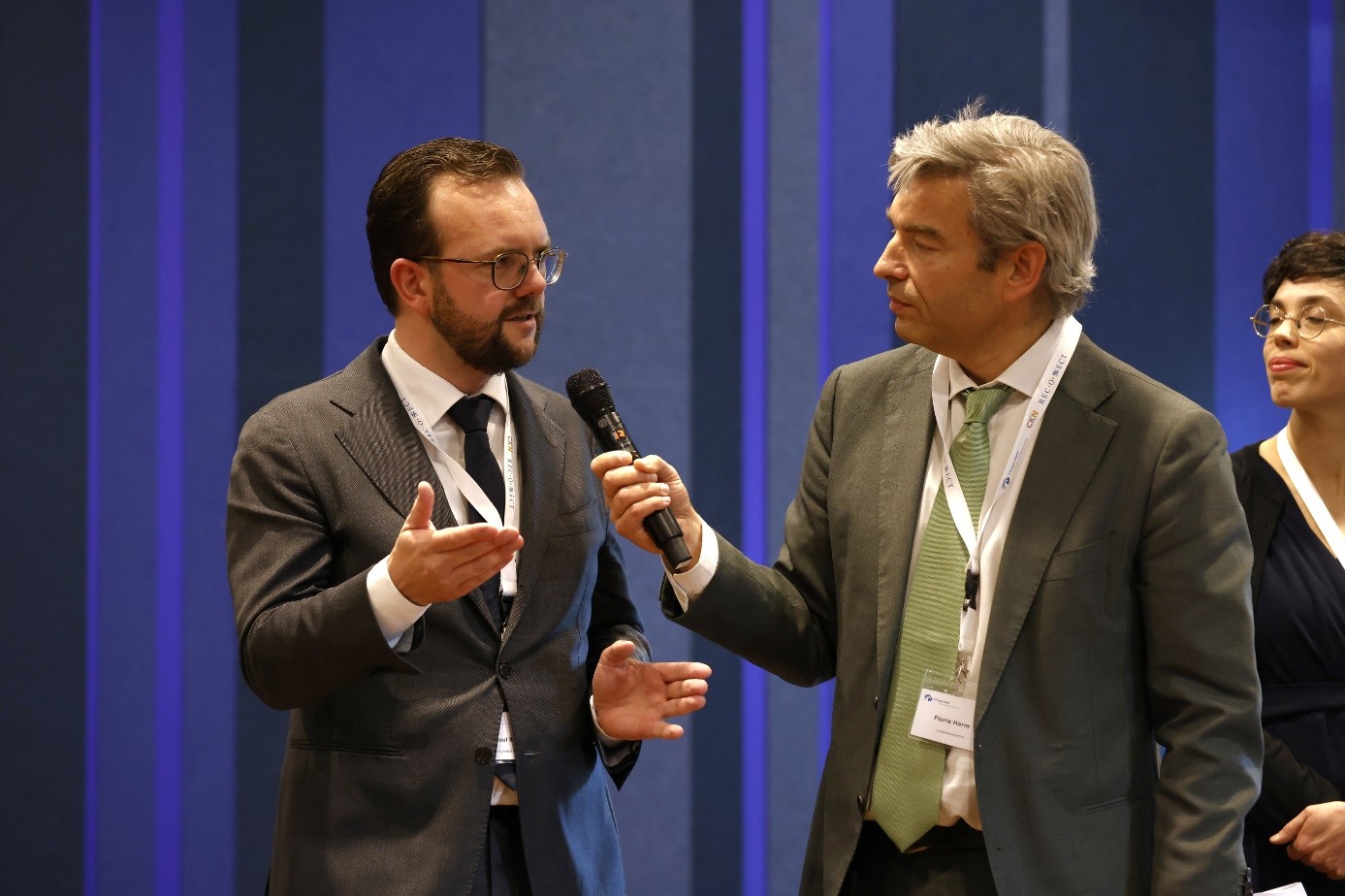
13:15 – 14:30 | Plenary Session ‘How to strengthen European China Knowledge?’

  • Raoul Bunskoek, Senior Research Fellow, Clingendael Institute
  • Miriam Tardell, Head of Section, Swedish National China Centre
  • Marc Moquette, Knowledge Envoy, Netherlands Ministry of Foreign Affairs
  • Grzegorz Stec, Head of Brussels Office/Senior Analyst, MERICS
  • Moderator – Floris Harm, Executive Director, Leiden Asia Centre
14:30 – 14:45 | Coffee and tea break


14:45 – 16:00 | Breakout Sessions (NO LIVESTREAM)

Subpanel 1: How to do Research on China in 2025?

  • Vincent Brussee, PhD Candidate, Leiden University
  • Sense Hofstede, Research Associate, Clingendael Institute
  • Laura de Giorgi, Professor in History of Modern and Contemporary China, Ca’ Foscari University of Venice
  • Miriam Tardell, Head of Section, Swedish National China Centre
  • Christian Göbel, Professor of Modern China Studies, Universität Wien

Subpanel 2: Policy Scenario Workshop – EU-China Future

  • Chiara Schrader, Researcher, Clingendael Institute
  • Liam Klein, Research Fellow, Clingendael Institute
16:00 – 16:15 | Coffee and tea break


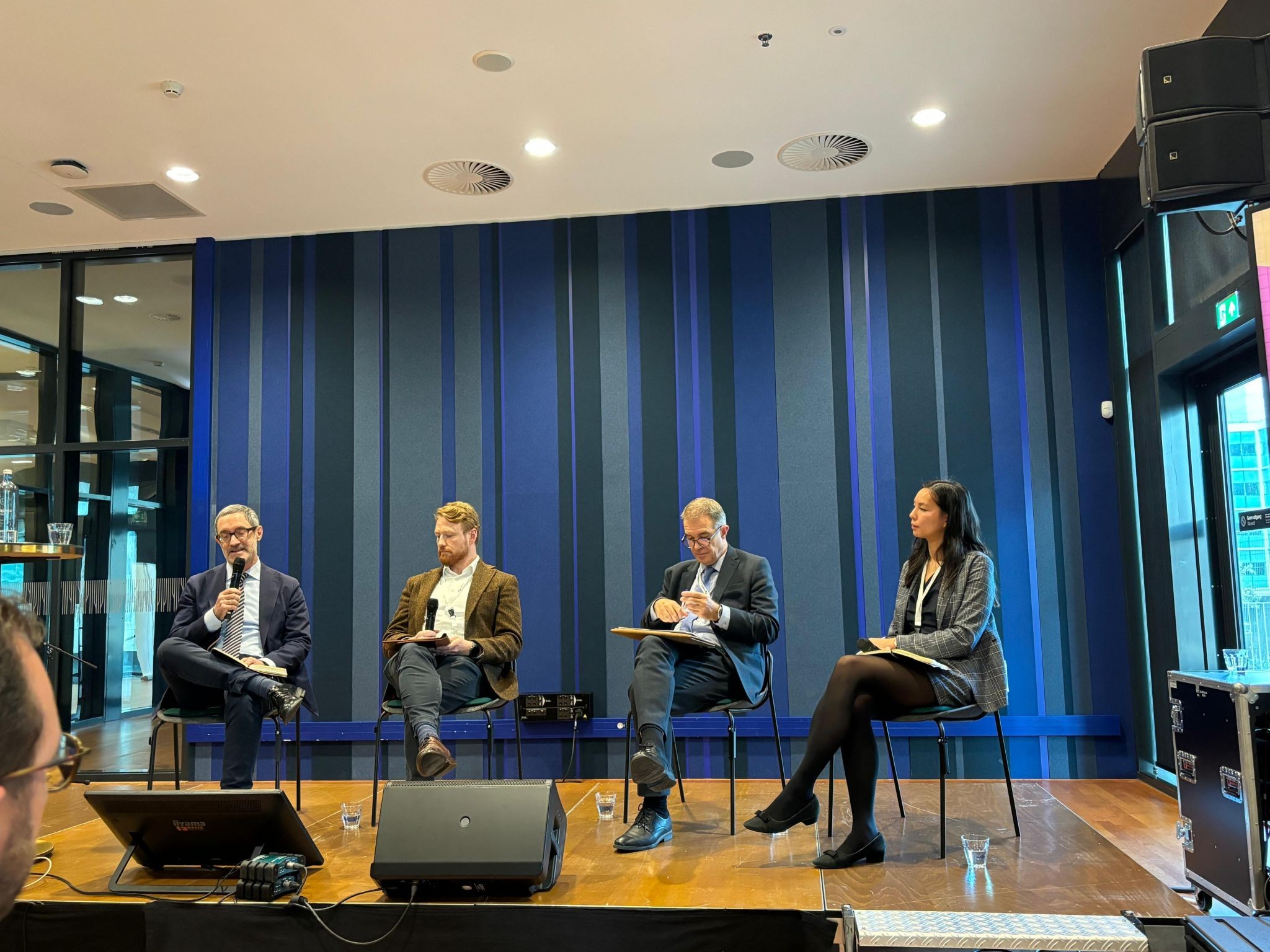
16:15 – 17:30 Closing Session ‘The Future of EU-China Relations’

  • Noah Barkin, Senior Advisor, Rhodium Group
  • Dominic Porter, Head of Division, China, Hong Kong, Macau, Taiwan and Mongolia, European External Action Service (EEAS)
  • Xiaoxue Martin, Research Fellow, Clingendael Institute
  • Moderator – Finbarr Bermingham, Chief Europe Correspondent, South China Morning Post
17:30 | Network drinks

18:30 | End of conference
 

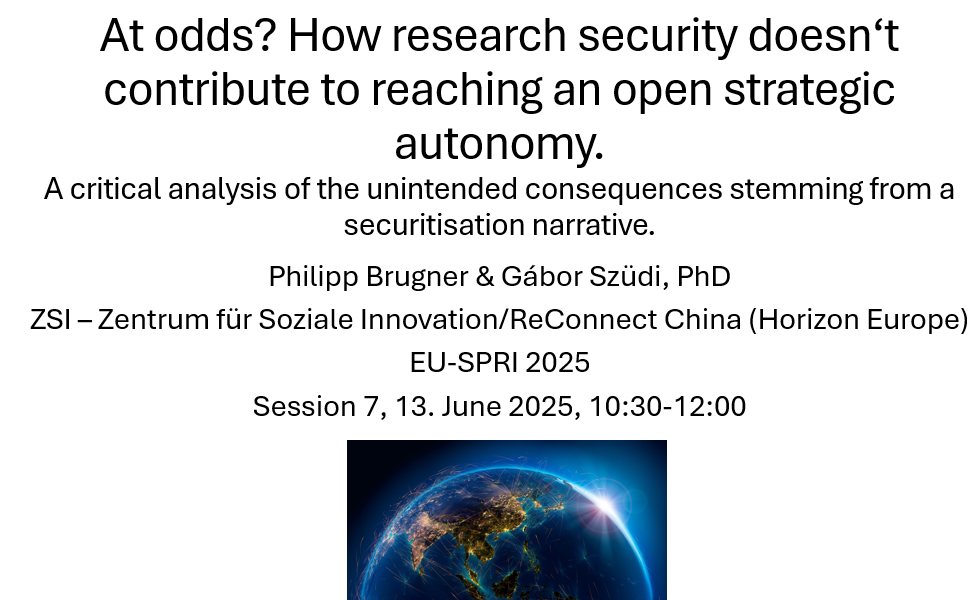
Research from ReConnect China at the EU-SPRI and ENTRANCE conferences in Germany

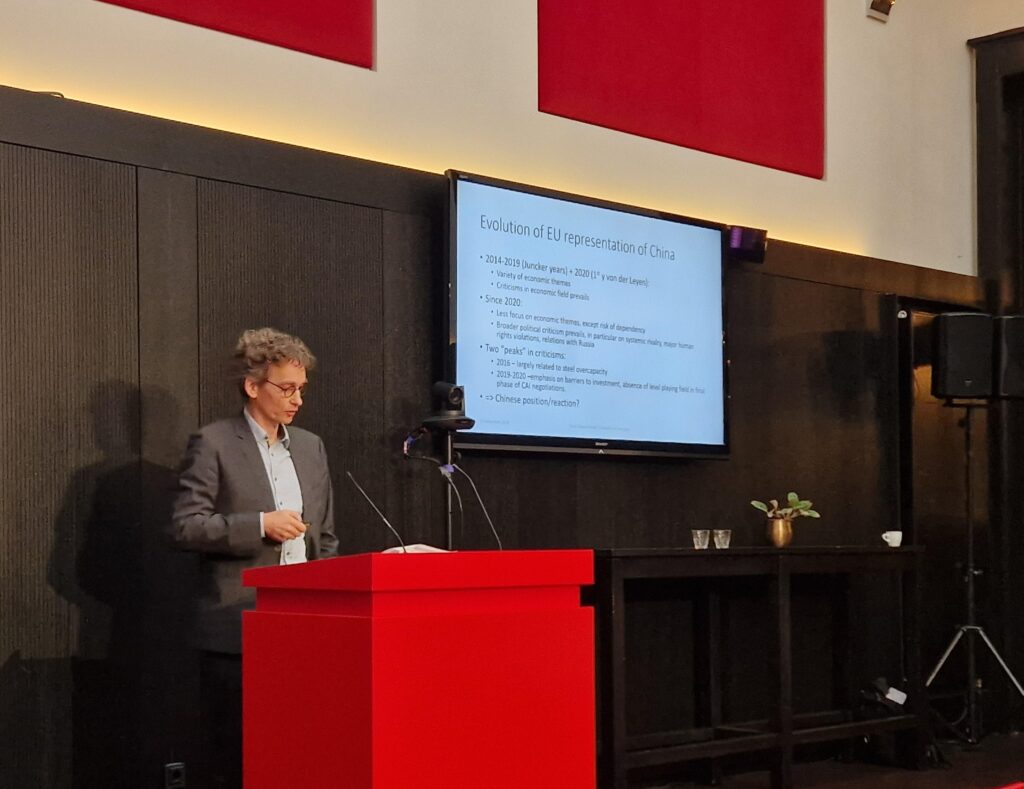
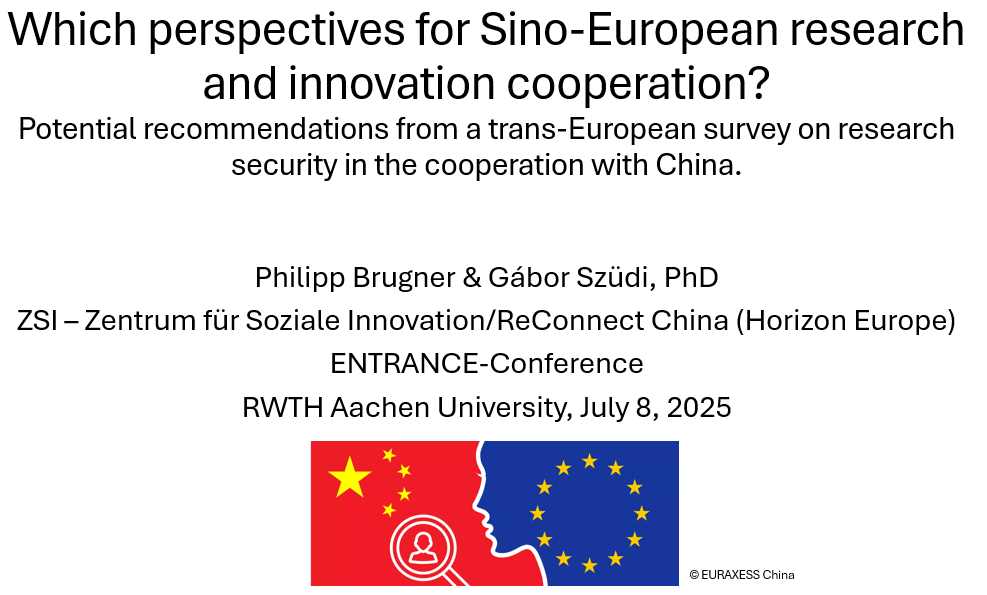
Research results from our work area on EU-China cooperation in science, technology and innovation were presented in two conferences in Germany before the summer. Philipp Brugner from our partner ZSI delivered these presentations, drawing on the work done with his colleague Gábor Szüdi in their trans-European survey on research security in the cooperation with China, which was implemented on behalf of the ReConnect China project between May 2024 and January 2025.

At the EU-SPRI annual conference 2025 at the Technical University Dortmund (11-13 June 2025), Philipp took part in the session titled “From (in)dependence towards resilience: tensions and synergies between open strategic autonomy and transformative research and innovation policies” and presented the survey findings in the light of the EU’s open strategic autonomy discussions.

Only a few days later, at the ENTRANCE conference “Lessons Learned: Navigating Experiences from Sino-European Cooperation for Future Global Engagements” (7-8 July 2025), Philipp participated in the concluding panel discussion and gave an outlook on potential recommendations for future EU-China cooperation in R&I derived from the policy brief written by ZSI.

The consolidated findings of ZSI’s research will be published in the forthcoming Routledge International Handbook of Research Security (2026). A first glimpse into the handbook’s content is available through Routledge.

(featured image von Alexandre Pellaes auf Unsplash)


Announcing first keynote speakers and topics of the 2025 ReConnect China conference

We are happy to announce a first update on the forthcoming 2nd Europe-China Knowledge Forum (conference) hosted by our partner Clingendael Institute in The Hague, Netherlands. The conference takes place on October 9 and is jointly organised between the ReConnect China consortium, Clingendael Institute and the Dutch China Knowledge Network.

Under the title “Rebalancing EU-China Relations in an Age of Global Turmoil” we will discuss the EU’s relationship towards China in the light of recent developments and important milestones that have shaped it since the past few years.

This year marks the 50th anniversary of diplomatic EU-China relations (in May our project already co-organised a high-level symposium to celebrate this anniversary). As European Commission President Ursula Von der Leyen stated in January in Davos, “It is time to pursue a more balanced relationship with China” or as the President of the European Council, António Costa, stated in July during the EU-China summit in Beijing “We are committed to deepening our bilateral partnership and pursuing constructive and stable relations, anchored in respect for the rules-based international order, balanced engagement and reciprocity”

So what does this new balance mean for Europe, and how should we achieve it? And how can the EU ensure that the bilateral partnership aligns to rules-based international order and mutual benefit?

These and similar questions will be discussed during our conference, for which the following keynote speakers have already been confirmed.

  • EU Ambassador to China H.E. Jorge Toledo (digital)
  • Maria Martin-Prat, Deputy Director-General of the Directorate-General Trade at the European Commission
  • Dominic Porter, Head of Division, China, Hong Kong, Macau, Taiwan and Mongolia, European External Action Service

Visit the Clingendael website for more information on the conference and further updates!

Roundtable discussion in Groningen: “EU-China economic relations – exploring connections between words and deeds”

On November 22, the Centre for East Asian Studies at the University of Groningen successfully held a discussion roundtable as part of the ReConnect China project. The event took place in Groningen, the Netherlands, and consisted of two panels.

Frank Gaenssmantel (Groningen University)

The morning panel focused on discourse in EU-China relations, exploring how statements by public authorities or private entities on social media or in media outlets relate to and shape economic interaction. The afternoon panel focused on the current state of EU-China economic relations, and on policy directions for the EU. The morning panel featured the following presenters: Cristina Pinna (University of Groningen), Bart Dessein (Ghent University), Joost Herman (University of Nottingham Ningbo), and Frank Gaenssmantel (University of Groningen). The afternoon panel featured the following presenter: Ding Chun (Center for European Studies at Fudan University), Martin Albers (State of Hamburg, presenting his own views), Lukas Linsi (University of Groningen), Françoise Nicolas (IFRI Center for Asian Studies), and Lin Goethals (European Institute for Asian Studies). 

The agenda of the day is attached in the following link: CEASG-ReConnect China Roundtable 22 November

ReConnect China Roundtable at the 25th Biennial Conference of the European Association for Chinese Studies

Key achievements of ReConnect China research at Europe’s main scientific conference on China

From 27 to 30 August 2024, the ‘European Association for Chinese Studies’ held its 25th Biennial Conference in Tallinn, Estonia. Our project was present with a roundtable discussing the key research outputs of the project realised so far.

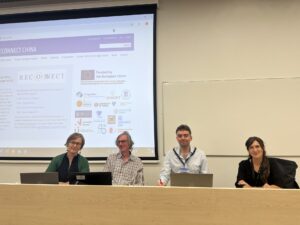
Outi Luova (University of Tartu), Jasper Roctus (UGent/Egmont), Bart Dessein (UGent/Egmont), and Beatrice Gallelli (University Ca’Foscari/Istito Affari Internationali) took part in the roundtable on behalf of ReConnect China. Beatrice Gallelli also moderated the roundtable. With an audience of academics and think tankers in the field of China studies, discussions developed based on the policy briefs that are the main outcome of the research done within our consortium. In particular, with some of the authors of the policy briefs and members of Work Package 6 (Measures to Maximise Impact) being present, the discussions developed on issues related to the Chinese economy, China’s international relations, China’s domestic policies, research and development, scientific cooperation, and outreach to civil society with emphasis on European youth.

While for the last topic, the ‘ReConnect China’ consortium has developed MOOCs on Chinese Politics and Society, EU-China Relations, the Chinese Economy, and Chinese Popular Culture, the panelists, in their statements, especially drew on the policy briefs ‘Knowledge and Perception of Research Security’ and ‘Policy Recommendations on EU-China STI Cooperation in the big Data-related Scientific Fields’ (ZSI), ‘Geopolitical Narratives Are Counterproductive’ (Elcano and IAI), ‘Navigating EU-China Investment Dynamics: Safeguarding Technological Know-How while fostering Cooperation’ (IAI), and ‘‘Remonstrating’ or the Art of Forging Relations’ (Egmont).

from left to right: Outi Louva, Bart Dessein, Jasper Roctus, Beatrice Gallelli

CEASG hosts ReConnect Roundtable on EU-China relations at the University of Groningen

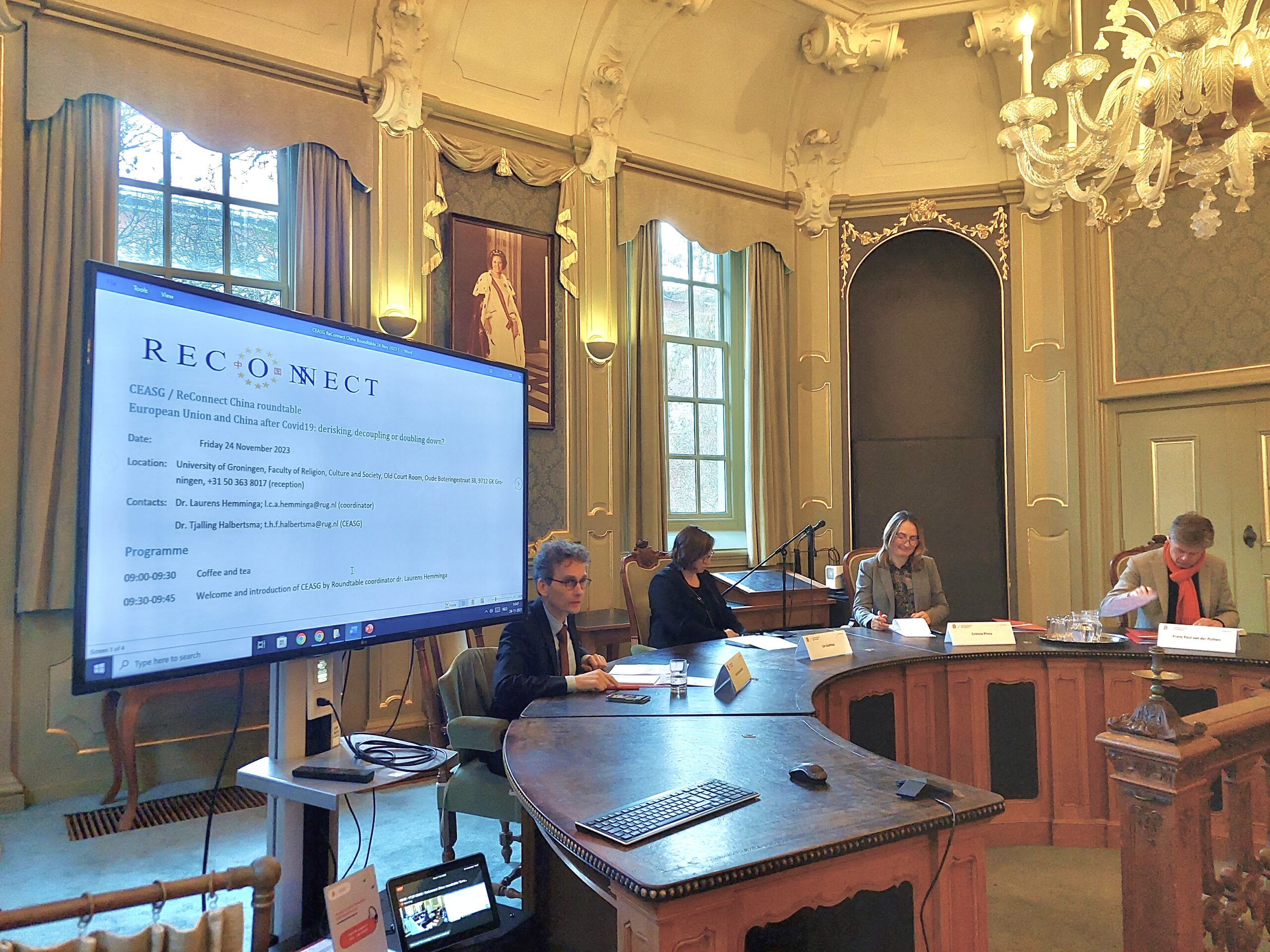
On November 24, the Centre for East Asian Studies Groningen (CEASG) at the University of Groningen, a partner in ReConnect China hosted a roundtable discussion titled “European Union and China after Covid-19: Derisking, decoupling, or doubling down?” focusing on the evolving dynamics of EU-China relations.

The event brought together experts and practitioners from academia, government and the private sector to share their insights on various aspects of EU-China relations, especially regarding economic ties. Organisers on behalf of CEASG were Dr. Laurens Hemminga, prof. Dr. Tjalling Halbertsma and prof. Dr. Jan van der Harst, who are researchers in the ReConnect China project.

The following experts took part in the roundtable: Mr. Joris Teer, Dr. Herman Voogsgeerd, Dr. Lukas Linsi, Prof. Dr. Bart Dessein, Mr. Yue Wang, Dr. Frank Gaenssmantel, Dr. Frans-Paul van der Putten, Dr. Cristina Pinna, Ms. Lin Goethals, Ms. Floriske Deutman and Dr. Gerdien Meijerink.

The day yielded fruitful insights on how to move forward in EU-China relations. The CEASG team aims to develop these insights further in a follow-up discussion in 2024 and to produce a policy brief based on the findings of these discussions.

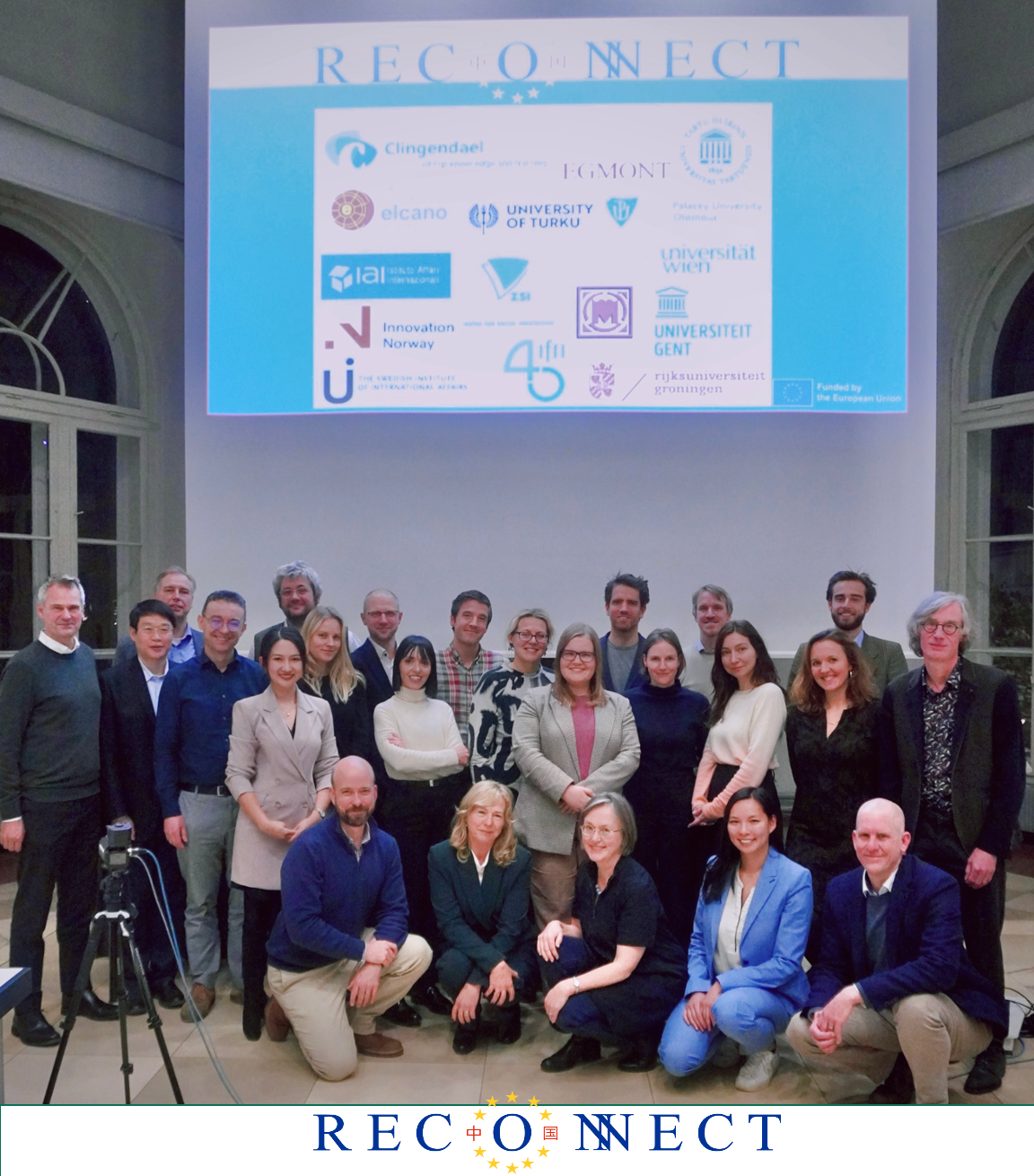
ReConnect China marks one-year milestone and hosts public roundtable in Vienna

ReConnect China, a Horizon Europe funded project aiming to generate independent knowledge for a resilient future with China for Europe and its citizens, marked its one-year milestone hosting a momentous second consortium meeting and a public round table in Vienna from November 16-17.

Building on the momentum generated since its kick-off meeting in Ghent in November 2022, representatives from ReConnect China’s 15 partner institutions from across Europe converged in Vienna for two days. The consortium meeting provided a platform for reflection on the project’s achievements in its inaugural year and facilitated strategic planning for the future. Work package leaders together with consortium partners delved into the progress made since the project’s inception, highlighting key accomplishments and addressing the challenges that have been met. The collaborative spirit was palpable as partners engaged in discussions to set a cohesive path forward, aligning their efforts to enhance the project’s impact in the coming year.

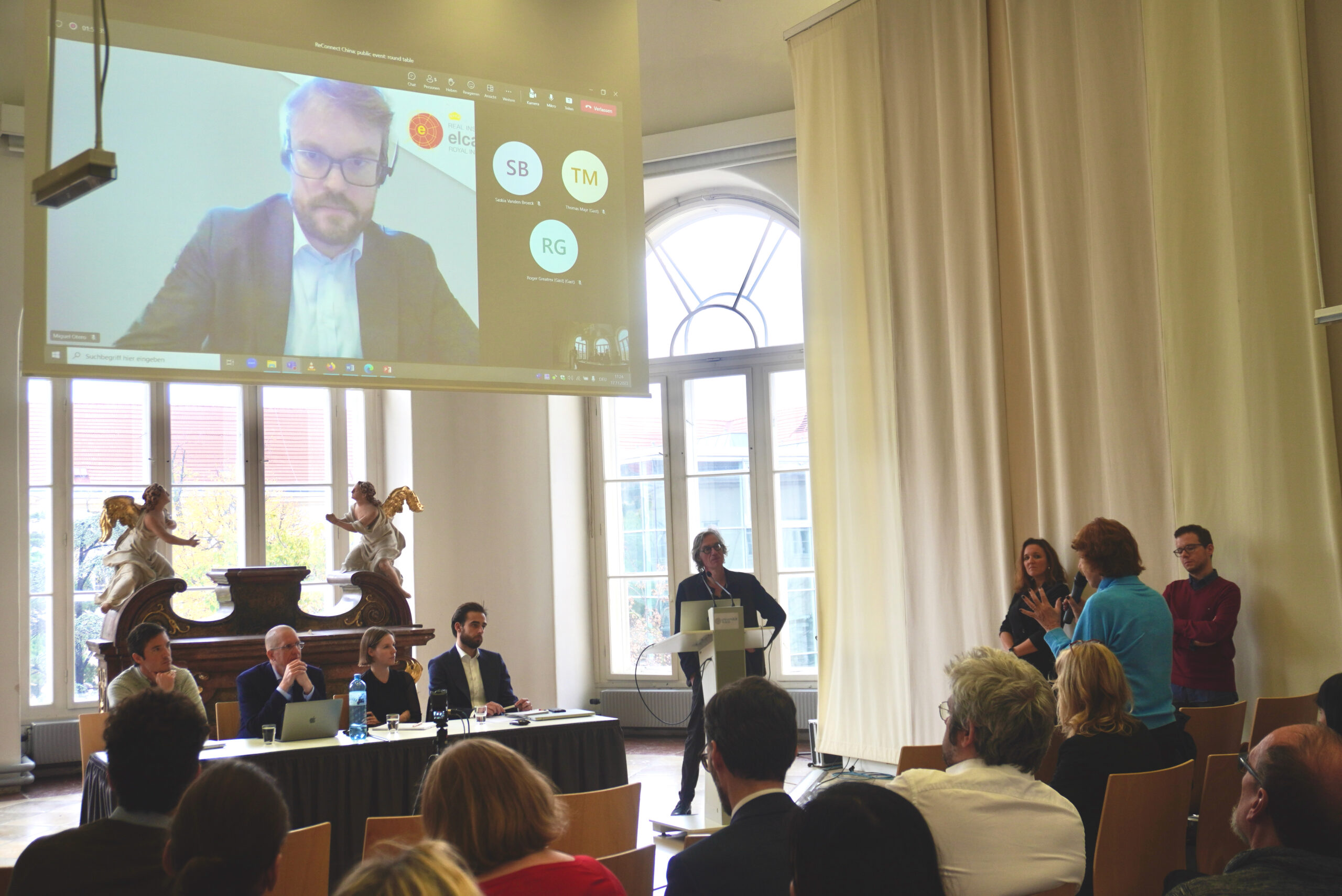
The ReConnect China public roundtable on November 17

The public round table (organised in a hybrid format), a focal point of the Vienna meetings, gave stage to ReConnect China’s research conducted and the results generated over the first year. The experts leading these activities within the project delivered presentations covering the four research priorities of ReConnect China. Prof. Bart Dessein, in his capacity as project coordinator, opened the discussion with some introductory words. Having been stimulated by the inputs of experts, several questions were addressed to the speakers by the – predominantly – Austrian audience (invitations for this roundtable focussed on Austrian stakeholders; participants came from institutions like Austrian Council for Research, Science, Innovation and Technology Development, Austrian Economic Chamber, Vienna Institute for Intl. Economic Studies, Austrian Institute for Intl. Affairs, University of Vienna, Austrian Research Promotion Agency, and the Federal Chancellery of Austria).

Below the presentation titles of the roundtable:

  • “What does ReConnect China do?” Presented by Prof. Bart Dessein, Scientific Coordinator of ReConnect China, Ghent University. Prof. Dessein provided an engaging introduction to the project, unveiling its core objectives and presenting significant research outcomes from the first year.
  • “Europe’s Research Cooperation with China – Risks and Opportunities” Presented by Philipp Brugner, Researcher, Senior Project Manager, ZSI. Philipp Brugner explored the risks and opportunities associated with Europe’s research collaboration with China.
  • “The Economy of China: The Rise of the Electric Car Industry” Presented by Miguel Otero, Senior Analyst, Elcano Institute, ES. Miguel Otero delved into the economic landscape of China, specifically focusing on the burgeoning electric car industry.
  • “China’s Domestic Politics – Building a Database for Better Understanding Domestic Political Developments” Presented by Prof. Christian Göbel, University of Vienna. Prof. Göbel shared insights into the development of a comprehensive database aimed at enhancing the understanding of China’s domestic political landscape.
  • “China’s Foreign Policy Against the Background of the EU Strategy De-Risking” Presented by Astrid Pepermans, Senior Research Fellow, and Victor De Decker, Research Fellow, Egmont Institut, BE. Astrid Pepermans and Victor De Decker elucidated China’s foreign policy within the context of the EU’s De-Risking strategy.
  • ReConnect China Roundtable_final agenda

The public round table served as a platform for knowledge sharing and facilitated a meaningful dialogue on the complexities of EU-China relations.

For more information about ReConnect China and its updates, please also follow us on TwitterWeChat and Weibo.

Science Diplomacy Collaboration with China – ReConnectChina represented at COST Workshop

In the framework of a science diplomacy workshop organised by the COST Association for new COST (European Cooperation in Science and Technology) Actions on 28 June 2023, ZSI researcher Gábor Szüdi had the chance to present the co-operation risks and potentials with China (as an example of a ‘non-like-minded country’) within collaborative R&I projects, using the tools of science diplomacy.
The presentation highlighted the differences between the EU and Chinese interpretation of STI co-operation and science diplomacy, drawing also on national examples, explaining the inherent tensions that might be successfully mitigated by the ongoing work in ReConnectChina.
The workshop therefore served also as an excellent opportunity to introduce high-level researchers from all around Europe (principal investigators of COST Actions in manifold thematic areas) the thematic foci and strategic priorities of ReConnect China.

First edition of the Europe-China Table organised

Clingendael Institute hosted the first Europe-China Table in ReConnect China on April 18, 2023

In this roundtable, policymakers and researchers discussed how Europe should respond to China’s international narrative strategy. The ReConnect China project is aimed at upgrading independent knowledge on contemporary China in Europe and on strengthening connections between researchers and policymakers and other societal sectors. The discussion was held under the Chatham House Rule. To open the floor, Ties Dams, Research Fellow at Clingendael Institute, provided a discussion note as input for the Table. It can be found here: Discussion Note – Answering China’s Narrative Challenge – ReConnect.

Program

  Europe-China Table: Answering China’s Narrative Challenge to Europe

Closed online roundtable

11:00-11:05   Introduction

Moderator: Dr. Ingrid d’Hooghe, Coordinator Clingendael China Centre, Clingendael – the

Netherlands Institute of International Relations

11:05-11:20   Presentation Discussion Note

Ties Dams, Research Fellow, Clingendael – the Netherlands Institute of International

Relations

11:20-11:35   Reaction Discussants

Karin Mössenlechner, Director Asia and Oceania, Ministry of Foreign Affairs of the

Netherlands

Dr. Chiyuki Aoi, Professor of International Security, University of Tokyo

11:35-12:30   Roundtable Discussion

Moderator: Dr. Ingrid d’Hooghe, Coordinator Clingendael China Centre, Clingendael – the

Netherlands Institute of International Relations


Discussion

The discussion evolved around three themes: the content, strengths and weaknesses of China’s narrative strategy, the European response, and ways forward regarding developing a European narrative. Participants noted that China has geared up its efforts to develop and disseminate Chinese narratives around the globe. In doing so China spends many resources, takes a systematic approach, and involves the whole of society. A weak spot that was mentioned, concerns the observation that China’s narratives are highly referential to Western ideas and notions. The question was raised whether the success of China’s narrative primarily stems from the attractiveness of the model that it proposes, or from its anti-Western rhetoric. Various participants pointed out that we may overestimate the success of China’s approach and that we need more empirical research on how people in different countries around the globe perceive and respond to Chinese narratives to get a better understanding of their effectiveness.

When debating Europe’s response many participants agreed that Europe has not yet been able to develop and disseminate a comprehensive and consistent narrative through persuasive storytelling, but that it urgently needs to do this. They mentioned various weaknesses in Europe’s approach such as lack of resources dedicated to this effort, lack of unity within the European institutions, and the fact that Europe does not use its aspirational values as a basis for its narrative. Others pointed out that Europe should and could be confident as it is a key contributor to peace and security, and international order and sustainable development.

Much time was devoted to discussing how Europe should move forward to effectively tell its own story to the world. It was repeated several times that Europe should be more confident about its own strengths and values, yet also humbler in the way it approaches other countries. Various speakers emphasized the importance of engaging with audiences around the world based on different country’s needs. Many agreed that Europe should have a better idea of what kind of view it wishes to present to the world. It was also argued that Europe should be less concerned about China’s narrative strategy as it remains to be seen to what extent it can be of value to third countries and the international community. Finally, it was concluded that changes to the European narrative strategy would come about through small steps rather than through large initiatives. In that sense, the Round Table on ‘Answering China’s Narrative Challenge to Europe’ can be seen as a good start.


Europe-China Table: Answering China’s Narrative Challenge to Europe

Clingendael organises the first policy roundtable within ReConnect China

On 18 April 2023, the Clingendael Institute is organizing an invitation-only, online Europe-China Table for European policymakers. It will discuss how to respond to the challenges China’s international narrative is posing to the European Union.

China has become a formidable player in the ‘global battle of narratives’, a battle that is of vital importance to geopolitical competition. Whereas China seems to be effective in selling its model and policies to many countries across the globe, in particular in the Global South, the EU is struggling to convince these countries that its liberal model has more to offer than autocratic regimes such as China. How should the EU and its member states respond to China’s narrative, and how can the EU better promote its own world view and policies?

We will answer this question with discussants Karin Mössenlechner, Director Asia & Oceania of the Dutch Ministry of Foreign Affairs, and Dr. Chiyuki Aoi, Professor of International Security at the University of Tokyo. Ties Dams, Research Fellow at Clingendael – the Netherlands Institute of International Relations, will provide an input paper for the discussion, and the roundtable will be moderated by Dr. Ingrid d’Hooghe, Coordinator of the Clingendael China Centre.

The event will be held under the Chatham House Rule.